Heatwave sparks rise in doorstep welfare checks

 BBC
BBCCommunity health workers are making more doorstep visits as the heatwave continues, with vulnerable residents relying on support ranging from welfare checks to collecting prescriptions and shopping.
Nearly 60 Community Health and Wellbeing Workers work across some of Cornwall's most deprived communities, helping about 600 people.
In Camborne, resident Christina Foyster said the support from community health and wellbeing manager Catherine Eastman had made a huge difference.
Health officials in Cornwall, Devon and the Channel Islands have been urging people to take extra precautions during the hot weather, including staying hydrated and trying to keep homes as cool as possible.
Foyster said she could not have asked for "a better person" than Eastman to help her.
"She's supported me through some difficult things and she's there always," Foyster said.
"She comes and listens and I think that's really important."
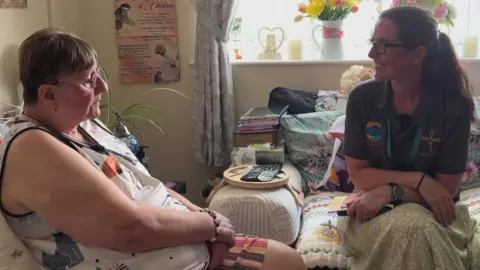
Eastman said workers had become busier during the recent hot weather going door-to-door checking on residents, particularly older people, to make sure they were drinking enough fluids and staying cool.
Some residents had been helped to access fans because many homes had become extremely hot, making it difficult to sleep.
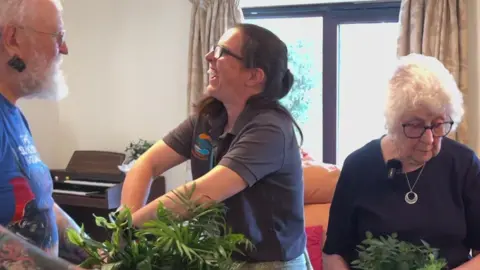
The scheme also runs activities aimed at reducing loneliness and improving wellbeing. At a community planting session, Babs Eveson said she would have been "home all day moping" without the support available.
"I've got one good friend alive now and I just feel so isolated," she said. "They made my life much easier knowing that they're there."
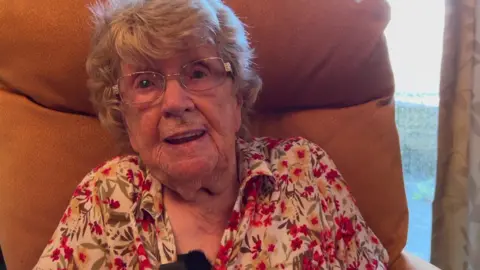
Ninety-year-old Pauline Joll, who described herself as "Camborne born and bred", said the programme had helped her make friends.
"It's opened up a new avenue for me. I've made new friends. It's like a second family, really," she said.
Derek Thomas, central integrated care area director, said the service was "essential" rather than a "nice-to-have".
He said the programme generated £2.33 of social value for every £1 invested, an annual return of more than £4.6m.
He added that emergency department attendances had fallen by about 11%, while unplanned GP admissions had reduced by around 7%.
Based on a Brazilian model that has operated for 30 years, the scheme is continuing to expand, with hopes that similar support could be rolled out more widely across the UK.
Advice from officials
Health officials at Devon County Council advise people to drink water regularly, even if they do not feel thirsty.
They also said people should keep homes as cool as possible by opening windows when temperatures are lower and closing curtains and blinds during the hottest part of the day.
Safeguarding Partnership Jersey has asked islanders to check on elderly neighbours, friends and relatives, as older people and other vulnerable groups can be particularly affected by extreme heat.
Residents are being advised to stay indoors during the hottest part of the day, take cool baths or showers and avoid alcohol and caffeine.
People should also keep their homes cool by closing curtains, opening windows and using fans where possible, as well as wearing light clothing and applying sunscreen when outside.
The States of Guernsey advised people to stay hydrated, keep homes cool by closing curtains and opening windows when temperatures are lower, avoid the sun between 11:00 and 15:00, and check on relatives, neighbours and friends.
Travellers should carry water, while anyone swimming outdoors should follow local safety advice.
Pets should also be protected with access to shade and fresh water and should never be left in vehicles.
Follow BBC Guernsey on X and Facebook. Follow BBC Jersey on X and Facebook. Send your story ideas to channel.islands@bbc.co.uk.