Police station used in riots a steal at £99k, auctioneers say

 Paul Fosh Auctions
 Paul Fosh Auctions
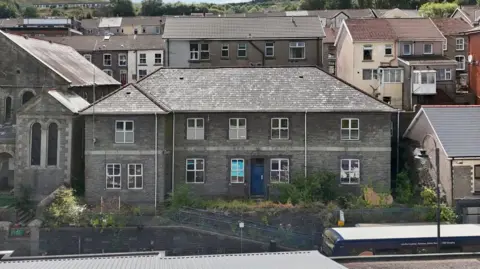
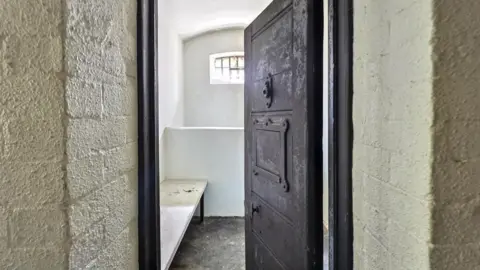
An imposing police station in a town known for historic Welsh riots is being sold at auction complete with its "impregnable cells", auctioneers have said.
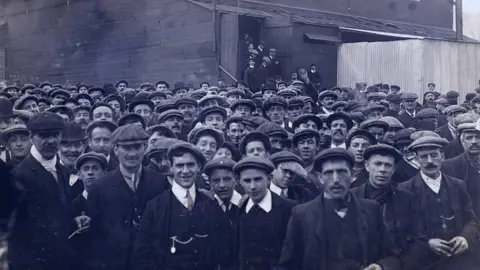
The Tonypandy Riots of 1910 happened in Rhondda Cynon Taf after miners went on strike following a disagreement with pit owners, leading to shops in the town being wrecked and extra police and military called in.
"Many of those caught up in the disturbances are believed to have been arrested by police officers and military personnel operating from the Tonypandy police station," said Paul Fosh Auctions.
The sprawling two-storey building, built in 1876, could be a "steal", it said, with a guide price of £99,000.
The police station closed years ago but has still retained some original features, including imposing heavy metal cell doors and bars on the windows.
However, other rooms have been emptied or partly cleared ready for renovation as plans were previously agreed by Rhondda Cynon Taf council to turn it into offices.
"Surely the most iconic features of the vacant building must be the former cells with their solid walls, barred windows and steel-braced, bolt-fitted doors," said the auctioneers.
"One can only wonder at the history of the building and in particular the former inmates who would have been accommodated in this historic building over the years."
What prompted the Tonypandy Riots?
 Getty Images | Universal History Archive
 Topical Press Agency | Hulton Archive | Getty Images
On 1 September 1910 owners at Ely Pit in Penygraig shut out 950 miners after a pay disagreement with some workers about the expected extraction rate on a newly-created coal seam.
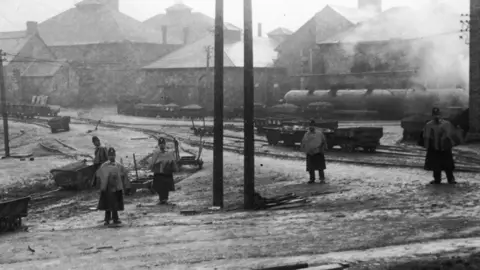
By the start of November, the strike had spread to all 12,000 colliers employed by the Cambrian Combine, shutting all but one of their pits in south Wales.
On the nights of 7 and 8 November, striking miners went on to wreck shops and mine-owners' property in Tonypandy, with extra police drafted in.
The then Liberal Home Secretary, Winston Churchill, sent troops on to the Tonypandy streets in support of the police in a move which would tarnish his reputation among many locally.