Report finds 'no malicious intent' in Eljamel logbooks destruction

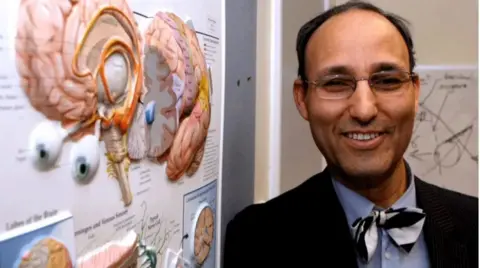 BBC
BBCThe destruction of 40 logbooks potentially relating to disgraced surgeon Sam Eljamel was the result of "inadequate systems and processes" rather than deliberate wrongdoing, a report has found.
Eljamel, who was head of neurosurgery at Dundee's Ninewells Hospital until his suspension in December 2013, harmed dozens of patients and left some with life-changing injuries.
The theatre logbooks were destroyed in July 2025 despite a do not destroy (DND) notice having been in place since October 2024 in relation to a public inquiry into the surgeon.
NHS Tayside said it accepted the report's findings in full and has published an action plan to deal with the report's 15 recommendations.
NHS Tayside chief executive Nicky Connor said: "The report's findings are clear: this should not have happened – and we wholeheartedly accept that."
The external investigation found systemic issues were to blame for the error.
These included a "lack of awareness and inconsistent communication" of the DND notice, no clear retention guidance or single responsible owner for theatre logbooks, and "assumptions that public inquiry-relevant documents would already have been collected centrally".
The report noted: "Although the destruction breached the DND notice directive, the investigation concluded no malicious intent and noted that all information contained in the logbooks is also available through existing clinical systems."
Following his suspension, Eljamel resigned in 2014 and is now believed to be operating in Libya.
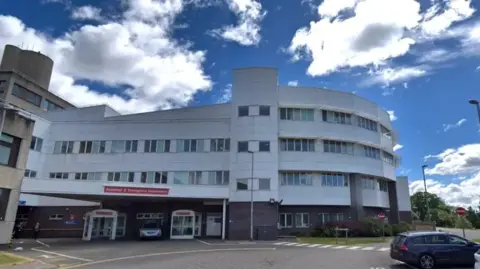 Google
The report said that the DND notice was communicated to all NHS Tayside employees via its "Vital Signs" staff bulletin in November 2024.
The investigators said the bulletin was "high-volume" and "mixed-purpose" with up to eight posts a day.
Staff said that these included "content unrelated to vital activities", such as advice for travelling during icy weather.
The report noted that the DND notice message "did not stand out among routine or low‑priority communications".
It added: "The Vital Signs was not targeted to areas that were specifically relevant to Eljamel i.e. neurosurgery theatre."
The destruction of the logbooks came to light during a hearing of the public inquiry last November.
Joanna Cherry KC, speaking on behalf of the patients' group, told the Eljamel Inquiry that the decision to destroy the logbooks, which included the years 1995 to 2013, "beggars belief".
Staff clearing a neurosurgery department office discovered the logbooks in July last year.
They had sought advice from the Health Records department, but the report said there was "conflicting evidence about what advice was actually given".
It added: "Much of the confusion stemmed from misunderstanding the contents of the logbooks and unclear ownership of record-keeping responsibilities."
After being advised of the standard eight-year retention policy, the logbooks were placed in confidential waste bags and removed.
Officers from Operation Stringent, the criminal investigation into Eljamel's professional conduct, requested the logbooks in August 2025, leading to NHS Tayside discovering that they had already been destroyed.
Investigators also found that NHS Tayside did not have a formal DND policy and the logbooks had previously been accessed for Freedom of Information (FOI) requests in 2024 and 2025.
It noted that interviewees for NHS Tayside's internal review of the destruction were limited to those directly involved in the disposal of the logbooks who were "largely clinical staff focused on delivering patient care".
The report said this was done "without examining the role of executive and management‑level staff who held responsibility for cascading the DND notice and ensuring that all relevant teams understood and implemented it appropriately".
'Sincere and unreserved apology'
The report's 15 recommendations to the health board include appointing a single executive responsible for DND compliance and replacing reliance on Vital Signs as a "sole channel of communication".
Nicky Connor added: "On behalf of NHS Tayside, I want to offer a sincere and unreserved apology to former patients, families and everyone affected by the loss of these records.
"We recognise that for many people these logbooks form part of their personal story.
"We understand that learning these records were destroyed will have caused distress and frustration.
"The review found no evidence of deliberate wrongdoing or malicious intent; however, it did identify shortcomings in the systems and arrangements that existed at the time.
"As an organisation we must learn from this to prevent it happening again."