Neuter your pets, says charity hit by cat 'crisis'

 BBC
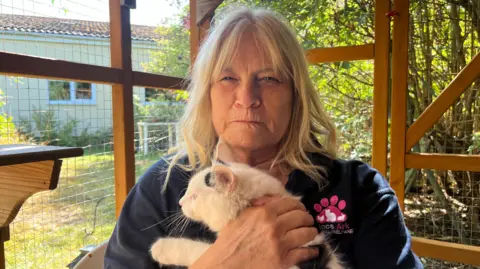
BBCAn animal rescue charity says it is struggling to cope with a "crisis" in unwanted cats due to falling rates of neutering.
Michele Franks, from Lincs Ark, said: "We're seeing a big increase the number of phone calls from people saying, 'I have a stray cat that has given birth in my garden'."
Neutering prevents reproduction, but research by Cats Protection suggests the proportion of cats undergoing the procedure fell from 88% in 2020 to 82% in 2025.
Matthew Wright, head of operations at RSPCA Hull and East Riding, said most rescue charities struggled to pay for neutering, adding: "If people are abandoning cats and there are health issues with those cats, it's going to have a knock-on effect."
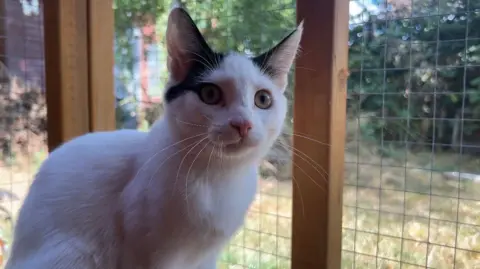
Lincs Ark rescues and rehomes animals in the Boston, Spalding and Holbeach areas.
The charity, which has about 27 volunteers and cares for 62 cats in foster homes, said there was no excuse for failing to neuter pets.
Franks said the number of unwanted litters had been getting worse and this year was the most challenging yet.
"Were in an un-neutered cat epidemic," she said. "It is such a big problem currently, it's a crisis."
"Very often these are kittens giving birth to kittens."
She added: "We need to start taking responsibility for our animals and not expect other people to pay for your neutering."
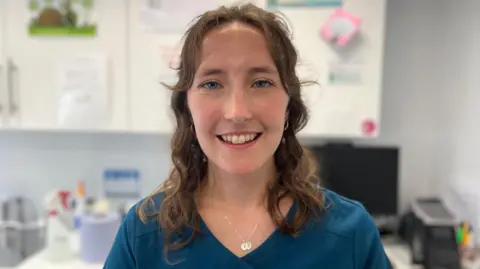
Elicia Brent, a vet at South Lincs Vets in Holbeach, said neutering helped control the population and protected cats from certain cancers and infections.
According to the practice, the operation typically costs about £100 for a male cat and up to £200 for a female.
Brent said the team was "very passionate" about encouraging the procedure and often carried it out at a loss to keep costs down for owners.
"Cats can reproduce so quickly and so often, that's why its such a big issue.
"They're sexually mature from four months old."
Brent said even indoor cats could escape or go missing, leading to unplanned litters, and feral cat colonies were a concern across Lincolnshire.
"I think people sometimes don't understand the impact one un-neutered male cat can have. That cat can go out and father hundreds of kittens."
'Make a difference'
Cats Protection said more than 10,000 people participated in surveys for the charity's annual report in 2025.
It found 1.5 million cats in the UK had not been neutered, with the most common reasons including because owners wanted them to have kittens or they were kept indoors.
Izzy Hocking, a senior veterinary engagement manager with the charity, said a third of kittens born last year were the result of unplanned pregnancies and owners could "make a real difference by getting their cats neutered".
"Many of those kittens were never planned for, and rescue organisations are having to pick up the slack," she added.
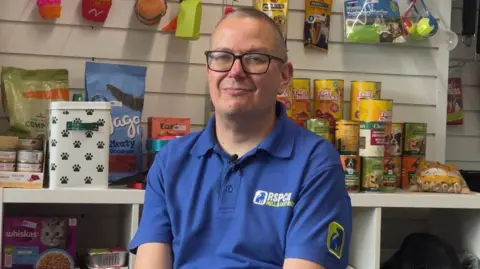
The RSPCA's Wright said dealing with a large number of abandoned cats reduced the charity's capacity to deal with animals that had experienced cruelty.
"If you get a cat, neutering is the first thing you should be thinking of.
"Unfortunately, RSCPA and other rescue organisations cannot do the work for everyone – we need society to play their role."
Dr Rob Williams, of the British Veterinary Association, said neutering was "an important factor in ensuring rescue centres are not overwhelmed with unwanted or neglected kittens".
Listen to highlights from Hull and East Yorkshire or Lincolnshire on BBC Sounds, watch the latest episode of Look North.
Download the BBC News app from the App Store for iPhone and iPad or Google Play for Android devices