High Court challenge over 900 homes on green belt

 Epilepsy Society
A campaign group and a council have challenged the approval of nearly 1,000 homes on green belt land, in the High Court.
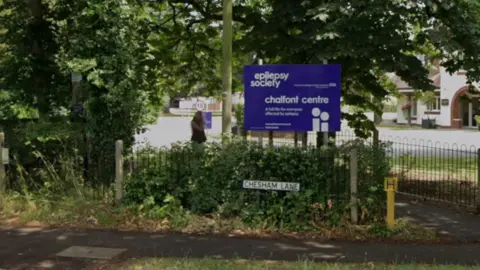
SENSE4CSP and Buckinghamshire Council have sought to overturn the government's decision to allow the Epilepsy Society to sell land to a developer for housing in Chalfont St Peter.
The scheme would see up to 975 homes and other facilities built on the 300-acre (121-hectare) site off Chesham Lane.
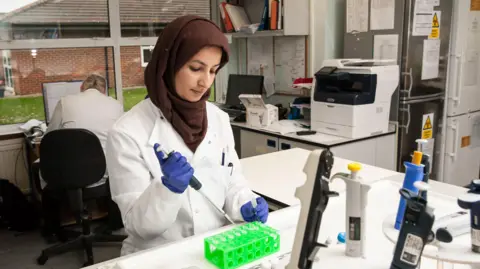
The Epilepsy Society said it was disappointed by the legal action, adding that it would further delay "transformational" research and much-needed housing.
 Google
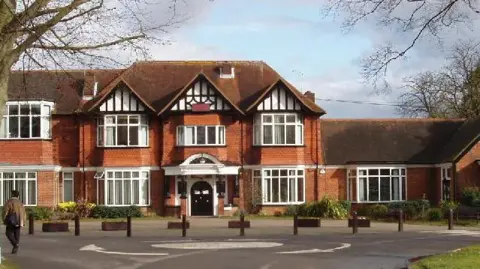
The land forms part of the charity's estate and its sale is expected to raise about £93m for medical equipment and epilepsy research.
Plans were first submitted in September 2022, but after Buckinghamshire Council failed to reach a decision the proposal went to a public inquiry.
The secretary of state for housing, communities and local government approved the plans on 29 June, after agreeing with the recommendation of the planning inspector who oversaw a public inquiry into the proposals.
SENSE4CSP said it submitted a statement of facts and the grounds for its legal claim to the Royal Courts of Justice on 5 August.
A judge will now examine the campaigners' written case and decide whether it has reached the legal threshold required to proceed to a High Court hearing.
The campaign group said it expected to learn whether its challenge could move forward by the end of September or early October, according to the Local Democracy Reporting Service.
 Geograph/David Hawgood
Steven Broadbent, the leader of Buckinghamshire Council, said: "I believe there are important questions about how the decision was made, particularly the balance between the benefits of the development and the impact on the green belt."
Clare Pelham, the chief executive of the Epilepsy Society, said: "This planning decision will unlock future funds for vital research which is potentially life-changing for hundreds of thousands of people with epilepsy in this country."
Do you have a story suggestion for Beds, Herts or Bucks? Contact us below.
Follow Beds, Herts and Bucks news on BBC Sounds, Facebook, Instagram and X.