Fly-tippers to be fined up to £5k under new rules

 BBC
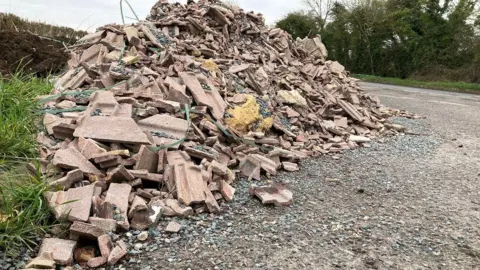
BBCA council has announced that people caught fly-tipping can now face on-the-spot fines of up to £5,000 after new government legislation came into force.
Wiltshire Council said it is making the change from the previous maximum fine of £1,000 as it hopes it can act as a deterrent.
From this month, the government is allowing councils to issue fixed penalty notices (FPN) up to £5,000 for fly-tipping and up to £750 for littering.
The council said the level of individual fines would be based on the seriousness of the offence. The most serious cases can still be prosecuted through the courts.
Across England, government data shows there were 1.26m fly-tipping incidents reported in 2024/25, up 9% from the previous year, when the figure was 1.15m.
Wiltshire had 3,005 fly-tipping incidents in 2024/25, about 5.7 per 1,000 people in the county. While that is lower than during the Covid pandemic, it is a 7.7% increase on the previous year, which saw 2,789 incidents.
Swindon also saw an increase in fly-tipping between 2023/24 and 2024/25, up from 3,405 incidents to 3,759, about 15.4 per 1,000 people. However, Swindon Borough Council's maximum fine is currently only set at £400, so it is only planning to increase its fines up to £1,000.
The figures do not include incidents which had to be cleared by private landowners or those so large-scale that they involved the Environment Agency.
What does the government say?
The government announced its new legislation in July, as part of a "major crackdown on waste crime".
It said councils will be able to choose the level of fines, as long as they are proportionate, with the worst offenders getting the highest ones.
It is part of the government's Waste Crime Action Plan, which also includes more powers for courts to take away driving licences for persistent fly-tippers and more checks for waste handlers.
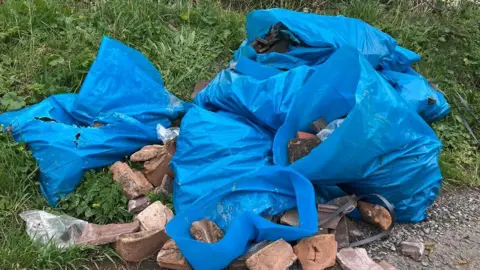
Wiltshire Council's cabinet member for highways, Martin Smith, said they do often issue the maximum penalty, but "there are always calls from the public for the fines to be higher to provide a real deterrent".
The council said it will be one of the first authorities in the country to implement the higher penalties.
"Fly-tipping is a selfish and illegal act that blights our communities, damages the environment and costs taxpayers money to clear up," Smith said.
"These new powers will give us a stronger deterrent against environmental crime and send a clear message that Wiltshire will not tolerate fly-tipping."
The Country Land and Business Association (CLA) has pushed for a number of years to have the impact of fly-tipping on landowners, who often have to pay to clear the waste, better recognised.
Ann Maidment, the CLA's South West regional director, said the fine increase is a "welcome move".
"Fly-tipping is not a minor nuisance – it is a serious rural crime and rural communities deserve a system that punishes offenders, not one that makes victims pay the price," she said.
"We urgently need stronger enforcement, better resources for local authorities, and meaningful support for victims."
How will it work?
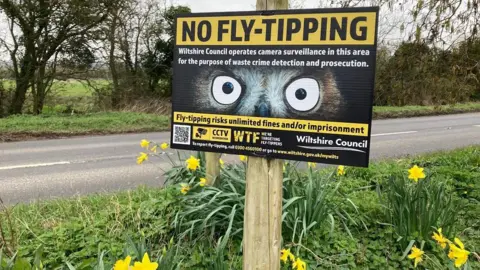
Wiltshire Council said it investigates incidents by looking through the waste itself, speaking to witnesses, and using surveillance, including cameras at known hotspots.
It said it will use a framework linking fines to the environmental harm caused and how at fault the offender is. There will be a 50% discount if a FPN is paid within 21 days.
The money the council gets from the fines can only be used for environmental enforcement - for example, investigations, removing waste and land restoration.
Follow BBC Wiltshire on Facebook, X and Instagram. Send your story ideas to us on email or via WhatsApp on 0800 313 4630.