Village vows 'belt and braces' plan after heath fire

 Jamie Niblock/BBC
A village said it would take a "belt and braces" approach to better equipping itself to deal with natural disasters after the devastating wildfire at Dunwich Heath.
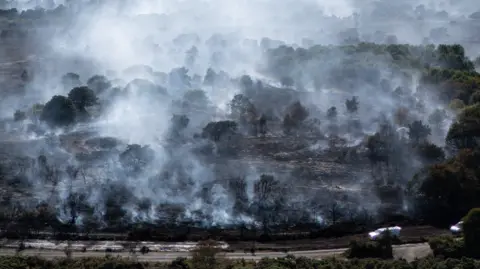
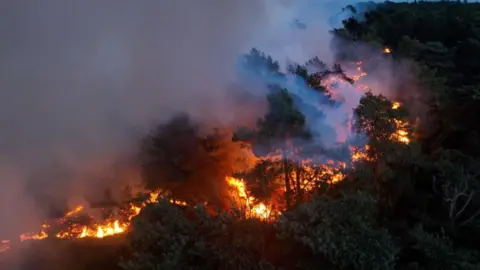
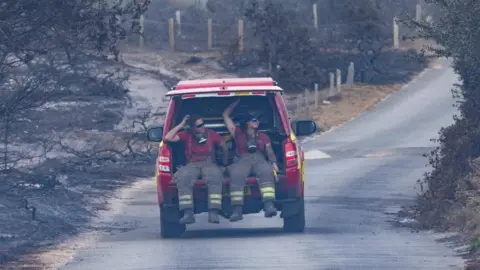
Parts of the National Trust heathland and neighbouring RSPB Minsmere on the Suffolk coast caught fire on 29 July, with the inferno eventually ripping through an area the size of 210 football pitches.
At the peak of the blaze, which Suffolk Fire Service did not call a stop on until 21 August, some 120 firefighters were at the scene.
Neighbouring Westleton Parish Council plans to revise how it responds to such emergencies so it can be more prepared in the event that something similar happens.
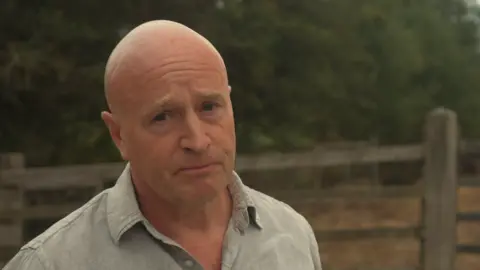
Ahead of a meeting to discuss the plans, Andrew Turner, chairman of the council, told the BBC that "good things can come out of bad things".
"We will be looking a bit more closely at what we need to be doing to ensure residents are as safe as they can be," he said.
"Given what has happened, we're just going to be belt and braces because it is better to be safe than sorry."
 PA Media
Some of the measures the council is looking to take include extending fire breaks to protect more of the village, buying fire beaters, and improving communication.
"It could have been a lot worse - the wind was due to change and there were concerns the fire there may head towards the village," added Turner.
More stories of interest:
"It didn't, thankfully, and we're very thankful for that, but anything could have happened."
Westleton has its own heathland, between the village and Dunwich.
 Jamie Niblock/BBC
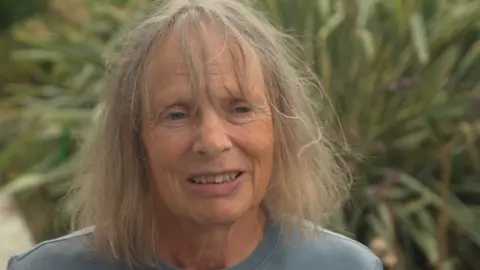
The additional precautions the council aims to take will come as a relief for residents, including Brenda Glenn, who said she felt the area was "quite vulnerable" to wildfires.
"Although we've always had hot summers, we are getting them much more frequently and they're much more intense. The fire at the heath is a huge worry," she said.
"We are quite vulnerable with all the heathland that we're semi-surrounded by."
 Ryan Lovejoy
The meeting came after farmer Spencer Campbell called on the National Trust to properly recognise the contribution farmers made to helping tackle the blaze.
Farmers like Campbell transported water and helped create firebreaks to stop the flames spreading.
The 21-year-old, who spent 24 hours at the scene over two days, called on the trust to use some of the £600,000 it has raised after the fire to cover farmers' expenses.
Paul Forecast, National Trust regional director for East Anglia, said he was "immensely grateful for all of the heroic efforts of local farmers".
However, he said the trust, being a charity, was "very heavily regulated" and, therefore, it must use the money in the way donators intended it to be spent.
On this occasion, that will be to help with the recovery effort of rebuilding the habitat.
"Ultimately, we are a charity, so we don't make a profit. All of the money will be given to restoring the site," added Forecast.
"It will be used to do habitat and wildlife surveys, make the site safe, get the heathland and shrubs back, and to restore it for nature."
 SFRS
SFRSDo you have a story suggestion for Suffolk? Contact us below.
Follow Suffolk news on BBC Sounds, Facebook, Instagram and X.