Bowel cancer cases in under-50s at record high

 BBC
BBCThe number of people under the age of 50 being diagnosed with bowel cancer in Scotland has reached a record high, with almost 290 new cases in 2024, new figures show.
Bowel cancer is the fourth most common cancer in Scotland and is more often diagnosed in older people, with those over 50 offered screening in an attempt to detect it early.
However, new figures from Public Health Scotland show incidence has jumped by 38% in the under-50s over the past decade, with rates among younger women increasing by 56% in comparison with 24% in younger men.
Last month, the Scottish government asked the UK National screening committee to look at lowering the age for bowel screening to 45, to target younger patients.
Anona Gauld is one of a growing number of women under 50 being diagnosed with colorectal cancer, the medical name for bowel cancers.
She told the BBC her journey towards diagnosis started when she turned 40 in March 2023 and couldn't manage a birthday glass of fizz.
She'd had a mysterious pain in her shoulder for several weeks, which got worse every time she drank alcohol.
Gauld, from Stonehaven, thought she'd pulled a muscle or had been lying awkwardly in bed but by August she had been diagnosed with stage four bowel cancer, which had spread to her liver.
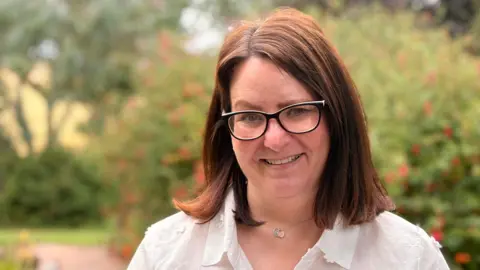
She had been going back and forth to her GP over several months but believes cancer wasn't initially considered, partly because of her age.
"One doctor even told me it was because my bra was too tight," she said.
"It was just a mystery."
Doctors later said the pain in her shoulder was actually coming from her liver, where they discovered a 13cm (5in) secondary tumour which had spread from her bowel.

"It was a big shock," Gauld says.
"I was young, I was healthy. I had a healthy diet and you don't think it's going to happen to you."
She had chemotherapy, immunotherapy, and then surgery on her liver and bowel in 2024.
Last year the cancer came back in her liver, and since then she's been back on treatment.
"People can have stage 4 cancer and live for many years," she says.
"It is scary, because I've never asked my oncologist for any timeline or anything like that, because I don't want to know.
"I think it's just a case of living your life."
What is causing the rise in bowel cancer?
PHS said no definitive cause had been identified for the increase in bowel cancer in people aged under 50 and different potential causes were being investigated.
However, research suggests six in 10 colorectal cancers might be prevented through reducing weight, lowering consumption of red and processed meat, increasing dietary fibre and cutting down on alcohol.
Richard Wilson, professor of gastro-intestinal oncology at the University of Glasgow, told BBC Scotland the causes among the under-50s may be different compared with older patients, because of new risk factors that emerged after the 1990s.
"Ultra processed foods, we think, are the huge driver, because their use across all age groups has really increased," he said.
Wilson added that exposure to pesticides as well as micro and nanoplastics might also be factors.
"These tiny broken-down bits of plastic are in the air, in the water, in our food, and we're really concerned about that," he said.
"And then forever chemicals from non-stick frying pans, all of these affect the microbiome in the gut. That's the common denominator.
"We think all these things disrupt the healthy microbiome, cause inflammation, and might predispose to cancer."
Every year thousands of people across Scotland are diagnosed with bowel cancer.
In 2024, 4,275 cases were recorded - slightly down on 2023's figure of 4,395.
NHS inform lists the following as potential symptoms of bowel cancer:
- blood in your poo (stools)
- bleeding from your bottom
- a recent change in your poo, particularly looser poo or pooing more regularly
- new pain in your abdomen (tummy) that won't go away
- you've recently lost weight without trying
- more pale and tired than usual
Bowel screening is currently offered to people in Scotland aged 50 to 74 years old every two years - this is the same for people in England and Wales. In Northern Ireland screening is offered to people aged 60 to 74 every two years.
A spokesperson for the Scottish government said: "The Scottish government recognises that bowel cancers are occurring at higher rates that previously in people under the age of 50 and have submitted a proposal to the UK National screening committee review bowel screening eligibility to consider offering this to younger age groups."
However, Bowel Cancer UK chief executive Genevieve Edwards said any changes to Scotland's screening programme must be based on "robust evidence" and be supported by the NHS having the capacity to deliver them safely and effectively.
She said the rise in cases among people under 50 showed the need for further research and greater awareness.
"Scotland's focus must stay on diagnosing bowel cancer earlier and ensuring that everyone receives the right care at the right time," Edwards said.
Trends in other cancers
Bowel remains one of the most common cancer types in Scotland, alongside prostate, breast and lung - these cancers account for more than half (55%) of all diagnoses.
In men, a record number of men were diagnosed with prostate cancer in Scotland in 2024, the same year Sir Chris Hoy revealed he was being treated for the disease, with the number of diagnoses increasing by 6% compared to the year before.
Malignant melanoma of the skin (skin cancer) has also increased in men, rising by 28%.
However, there were also significant decreases in the rates of lung cancer, head and neck cancer, bladder cancer, oesophageal cancer and cancer of unknown primary in men.
In women, there were also significant increases in the rates of breast cancer (8%), colorectal cancer (8%), and malignant melanoma of the skin (by more than a third, 37%).
There were no cases of cervical cancer in women under 25 following the introduction of the HPV vaccine.
There were also significant decreases in the rates of lung cancer, cancer of unknown primary, non-Hodgkin lymphoma and kidney cancer.