Plastic nurdles wash up on beaches 30 miles away

 BBC
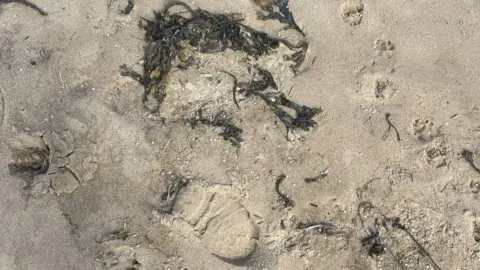
BBCNurdles are washing up on beaches more than 30 miles (48km) south of the source of a spillage of millions of plastic pellets.
Tonnes of the pieces of plastic, known as nurdles, washed up across north-east England after a crash between two vessels at the Port of Tyne damaged two shipping containers.
The nurdles have now been spotted on beaches in North Yorkshire and Teesside, and volunteers are worried the clean-up effort is being "left to communities" and called for a "long-term plan".
The Port of Tyne said its response had not been "scaled back" and it continued to maintain the same level of on-water resource as throughout the clean-up operation.
The port said during the recent high tide period it had temporarily increased the number of boats and operatives deployed.
North East mayor Kim McGuinness said her team had contacted Solis Marine, the company organising the clean-up on behalf of the shipping insurers, to ask them to commit to responding to new nurdle deposits and asking why casual workers had been stood down.
She said: "They should not be allowed to decide on their own what a proper clean-up looks like.
"Our local volunteers have given up their time and worn themselves out combing beaches."
Solis Marine has been approached for comment and a Port of Tyne spokesperson said the response continued to be guided by Ambipar, experts in environmental spill response.
"We remain committed to removing as much material from the river as possible within that expert guidance," they said.
Targeted beach clearance days
Environmental charity Fidra, which runs the Great Nurdle Hunt project, said nurdles were highly mobile and they would continue to wash up in the north-east of England and beyond in the months and years to come.
A spokesperson said: "There needs to be a long-term plan and resources to monitor and respond when nurdles wash up in the future.
"The continued spread of nurdles to regions far from the source of the spill vividly highlights the wide reaching impact - volunteers are reporting new finds every day."
The charity called for regulation and international maritime organisation rules for pellet loss prevention and preparedness plans.
Redcar and Cleveland Borough Council officers have inspected beaches from Marske to Redcar and confirmed nurdles had been found.
Currently, the authority said they were "concentrated in relatively small pockets".
"Teams are also looking to organise targeted beach clearance days, where volunteers can support the clean-up effort," a spokesperson said.
"In addition, we are exploring the use of appropriate mechanical equipment to help expedite the removal process, where this can be undertaken safely and without causing damage to the coastline or sensitive habitats."
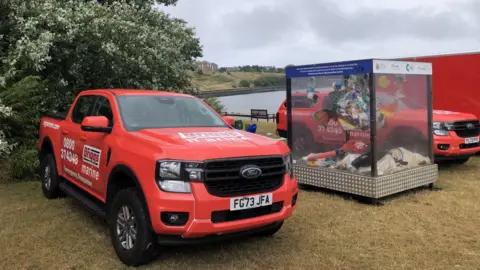
Senior scientist at the National Oceanography Centre Dr Charlotte Williams said tides were highly predictable and tidal currents generally move water back and forth.
"Floating material such as nurdles would be transported by a combination of processes, including tides, winds, waves and larger-scale coastal currents," she said.
"Wind, and the surface currents can be really variable and are often more important for moving floating material than the back-and-forth motion of the tide alone."
Durham County Council confirmed its officers had been carrying out daily patrols along the coast and "a very small number" of pellets were found on Monday morning.
Head of environment for the county council, James Gilchrist, said: "We will continue to monitor the situation alongside partner agencies and should there be a need for a clean-up that volunteers can take part in, we will publicise details of this."