Why women dey get more urinary infections pass men and how dem fit take avoid am

Wia dis foto come from, Stock Photo/Getty Images
- Author, Rebecca Thorn
- Role, Global Health
- Published
- Read am in 7 mins
You go dey feel like say you wan go toilet but poo-poo no gree come out?
Abi you dey experience burning sensation wen you dey piss? All dis fit be signs of di urinary traction infection (UTI), and e fit come wit serious pain at di moment.
Globally, an estimated 400 million pipo dey develop UTI evri year.
While di infection dey affect pipo of both sexes and children, e dey common wit women. Half of women for di world dey experience UTI at some point for dia life.
As one of di most common infections for di world, questions still dey about how we fit make sure say you fit treat UTI for di world wey antimicrobial resistance dey increase.
We don tok-tok wit some experts to find out wetin dem need to know and wetin we fit do to prevent am.
Wetin dey cause UTIs?
UTIs na infection of di urethra (di tube wia our urine dey come out from), bladder, or for some serious cases, di kidneys.
Na bacteria wey enta di urinary tract through di urethra dey cause am. Evritime dis bacteria - like E.coli - go come from in and around di rectum.
E dey more easy for women and girls to get UTIs becos dia urethra short pass men own. Na why e dey easy for bacteria to climb go di urinary tract.
Women wey dey post menopause also get greater risk of developing UTI sake of how dia oestrogen levels dey drop.
Dis hormone dey typically help and maintain healthy balance of bacteria for di vaginal area, e mean say di reduction fit make di individual more exposed to infection.
Wia dis foto come from, Getty Images
Wetin be di symptoms?
Symptoms of UTI no be di same for evribody sake of how e dey change from pesin to pesin, but some of di most common symptoms according to di UK National Health Service (NHS) include:
- Pain or burning sensation wen you dey piss (dysuria)
- You need to piss suddenly or plenti times more dan usual
- Your piss dey look cloudy like say rain wan fall
- If blood dey for your piss
- Your lower belle dey pain or you get pain for back, just under di ribs
- Your body temperature dey high, or you dey feel hot or cold, or you dey shiver
- You dey feel tired or weak
Elderly pipo wey get UTI fit also experience change for dia behaviour, like say dem dey panic or feel confused. For children, dem fit piss for bed or vomit wey fit also indicate same dey get UTI.
UTIs fit comot on dia own?
Wia dis foto come from, Getty Images
"For some women, dem no need anytin and dia immune system go fight di UTI comot. And for some women dem go need antibiotics," na wetin Dr Rajvinder Khasriya, wey be consultant in Urogynaecology for di Whittington Hospital for London tok.
Dem neva fit understand am well-well why we fit fall into one of dis two categories.
For world wey antimicrobial resistance dey grow, na important question among researchers.
UTIs na one of di leading diseases wey dey account for antibiotic prescriptions, and to find treatment wey no need antibiotics na wetin reseachers still dey find.
Dr Katherine Keenan don research drug resistant UTIs for East Africa, including Tanzania, Kenya, and Uganda.
Of di individuals wey dem bin survey wey bin come di healthcare clinic and wey dem send urine for testing, about half of dem bin get multi-drug resistant infections.
Shame and taboo fit also prevent women from discussing dia symptoms wit friends or seeking essential care.
"Dem go kind of hide demsefs becos dem tink say dia symptoms fit make pipo begin suspect dem or sometin like dat, becos dem bin basically tink say e maybe, dey related to sexually transmitted diseases or say dem get am from dia partner and e go mean say dia partner bin dey cheat or something like dat," Dr Keenan tok.
"We bin get pipo wey bin dey tok tins like 'I no just know wetin dey wrong wit my body, I just dey rotten'. [Dem] dey really carry dat kain stigma and dat kain sense of frustration."
Over 50% of patients wey get UTIs go experience psychological issues like anxiety and depression, according to di Global Burden of Disease study.
You fit transfer UTIs give anoda pesin?
While UTIs dey classified as infectious disease, you no fit transfer am give anoda pesin and no be sexually transmitted disease.
However, if you do kerewa or knack, e fit increase di risk of getting UTI by moving bacteria from your rectum towards your urethra.
Di NHS recommend make pesin piss as soon as possible afta sexual intercourse to flush out any bacteria wey fit dey try climb up into di urethra.
If di UTIs, dey come and go doctors evritime doctors fit prescribe antibiotic wey you fit take immediately afta sex.
How dem dey take diagnose UTIs?
Wia dis foto come from, Getty Images
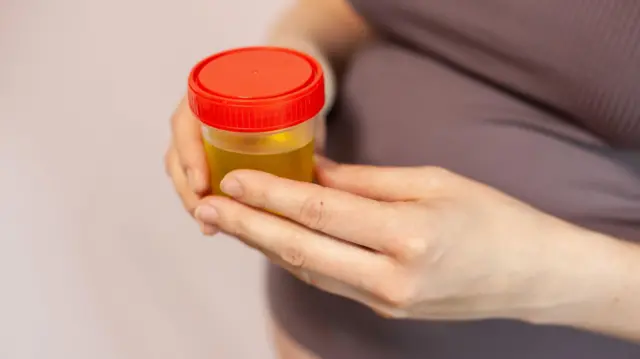
Di "gold standard" to diagnose UTI na mid-stream urine culture test. Dem go send one sample of di pesin urine go lab for test, wia dem go see di bacteria wey dey grow inside di urine for culture plate.
Based on di result, di doctor fit narrow down which antibiotic, if any, be di best to treat di pesin.
However, some experts warn say culture tests for UTIs dey outdated and make doctors also consider di pesin symptoms and medical history.
Edward Kass na di scientist wey develop di urine culture test for di 1950s, based on data wey im bin get from pregnant women wit pyelonephritis - wey be kidney infection.
"We don take dat same standard and apply am to women wey no dey pregnant, women of all ages, men, children, young pipo, all sorts of pipo," Dr Khasriya tok.
If you suspect say you get UTI, make you seek advice from your healthcare provider.
How I fit avoid UTIs wey dey happun evritime?

Wia dis foto come from, Getty Images
E dey estimated say 25% of women wit at least one UTI go kontinu to get UTIs wey dey go and come evritime: at least two in six months, or three in one year. Many fit get even more.
While some evidence dey say cranberry extract fit help to prevent recurrent UTIs for healthy non-pregnant women, oda studies don show say no benefit dey at all.
To prevent UTIs, di NHS advise pipo to:
- wipe from front to back wen you use toilet
- keep di genital area clean and dry
- drink plenty of fluids, particularly water, so dat you go dey piss regularly during day and you no go feel thirsty
- wash di skin around di vagina wit water before and afta sex
- piss as soon as possible afta sex
- change nappies or sanitary pads regularly wen deam don soak
- wear cotton underwear
Di National Institute for Health and Care Excellence (NICE) for England recommend daily, low-dose antibiotics as an option to prevent frequent UTIs for women.
Oda options include vaginal oestrogen and methenamine hippurate (medicine wey dey acts as antiseptic for your urine, and e no be antibiotic).
Wetin be chronic UTI?
As well as recurrent UTIs, increasing awareness dey about chronic UTIs – wetin dem dey refer to as long-term or embedded UTIs - wia pipo dey experience di symptoms of UTI evriday.
Research don show say for some cases, bacteria fit enta di lining of di bladder and hide inside di cells for di body.
Bacteria fit also attach e sef to di wall of di bladder and hide under di protective slime layer wey dem call biofilm, e dey allow am to enta di body immune response and antibiotics.
How and why pesin go get recurrent or chronic UTI na sometin wey Dr Khasriya and oda researchers dey try to understand.
"We tink say plenti information dey miss becos enuf research neva dey into UTI. Enuf research into women health neva dey," she tok.