最新 随身英语

Can we see sounds as shapes? 声音也有对应的形状吗?
Episode 261123 / 23 Nov 2026
What shapes do you imagine when you hear the words 'bouba' and 'kiki'?

Why do we sometimes keep laughing at the worst times? 为什么越是严肃的场合,越忍不住想笑?
Episode 261116 / 16 Nov 2026
Why some laughter is hard to control

Enjoying fashion without costing the planet 享受时尚,不以地球为代价
Episode 261109 / 09 Nov 2026
Is buying second hand clothes really the best way to make sustainable fashion choices?

How is coffee culture evolving? 咖啡文化正在发生怎样的变化?
Episode 261102 / 02 Nov 2026
Are you an espresso lover, or do you prefer sweet, colourful coffee drinks?

Why it is so hard to start exercising 为什么开始锻炼如此困难
Episode 261026 / 26 Oct 2026
Why is it sometimes hard to stop being inactive?

Return of the sleeper train in Europe 欧洲卧铺列车再度兴起
Episode 261019 / 19 Oct 2026
Are night trains a more fun and adventurous way to travel?

Is social media still 'social'? 社交媒体还 “社交” 吗?
Episode 261012 / 12 Oct 2026
Why social media could be making you feel lonely

Why we like collecting things 我们为什么喜欢收藏东西
Episode 261005 / 05 Oct 2026
Do the things you collect reflect your hobbies and interests?

The UK's favourite type of humour 英国人钟爱的幽默形式
Episode 260928 / 28 Sep 2026
When is it good to laugh at yourself?

Daydreaming: a distraction or a vehicle for ideas? 白日梦:让人分心的干扰,还是灵感的来源?
Episode 260921 / 21 Sep 2026
Read about the pros and cons of daydreaming

Portable fan problems 手持小风扇引发的问题
Episode 260914 / 14 Sep 2026
Enjoying your portable fan? Here's why you should also be careful with it

The peacock effect: Why overconfidence can be good for you 孔雀效应:为什么过度自信可能对你有好处
Episode 260907 / 07 Sep 2026
Why are confident humans like healthy peacocks?

Why don't I like rollercoasters anymore? 为什么我不再喜欢坐过山车了?
Episode 260831 / 31 Aug 2026
How does motion sickness affect the enjoyment of rollercoasters?

How seasons affect our moods 四季如何影响我们的情绪
Episode 260824 / 24 Aug 2026
Have you ever wondered why you feel a certain way in different months?

Which English accent is the oldest? 哪一种英语口音历史最悠久?
Episode 260817 / 17 Aug 2026
Did you know that 'blood', 'food' and 'good', which have different vowel sounds now, probably used to rhyme?

The art of farts 关于 “肠道排气” 的科学
Episode 260810 / 10 Aug 2026
How could farting help some animals survive in the wild?

Gen Z's love of the past 热衷怀旧的 “Z 世代”
Episode 260803 / 03 Aug 2026
Why are people looking to the past for comfort?

How to cope with disappointment 如何应对失望情绪
Episode 260727 / 27 Jul 2026
Learn how to manage this unhappy emotion


How high temperatures affect sleep 高温对睡眠的影响
Episode 260713 / 13 Jul 2026
Why is it hard to sleep in the heat?
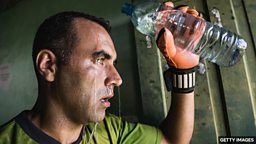
Heat, humidity and the World Cup 世界杯面临高温高湿考验
Episode 260706 / 06 Jul 2026
Is it too hot at the World Cup?

Does planning the perfect summer cause problems? 计划一场 “完美夏日”,真的能让假期更完美吗?
Episode 260629 / 29 Jun 2026
Do your summer holidasy reach the expectations set out by social media?


Breathwork techniques to reduce stress 能缓解压力的呼吸法技巧
Episode 260615 / 15 Jun 2026
Breathing keeps us alive, but could it also make us feel better?

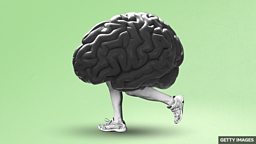
How exercise could boost your exam grades 为什么运动能助你的考试成绩 “一臂之力”
Episode 260601 / 01 Jun 2026
Sweat your way to exam success
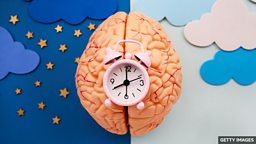
Can language influence how we see time? 语言会影响我们对时间的理解吗?
Episode 260525 / 25 May 2026
Do you 'look forward' to the future?
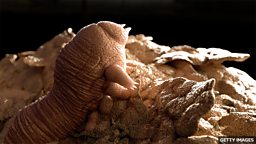
The tiny creatures that clean your face 在你脸上 “做保洁” 的小虫子
Episode 260518 / 18 May 2026
Why isn't it a problem that your face is covered in mites?

The culture of giving cards 赠送贺卡的文化
Episode 260511 / 11 May 2026
Why do we send cards to loved ones?


Does where you grow up shape your personality? 成长环境会影响人的性格吗?
Episode 260427 / 27 Apr 2026
Are certain regions more likely to have higher levels of a certain personality trait?
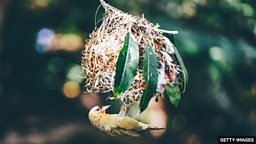
Do birds build their homes like humans? 鸟类筑巢是否与人类的建筑方式相似?
Episode 260420 / 20 Apr 2026
Birds teach each other how to build a home

How micro-dramas could revolutionise our viewing habits 微短剧如何重塑我们的观影习惯
Episode 260413 / 13 Apr 2026
How much drama can fit into one minute?

Friction-maxxing: Is convenience weakening our brains? “阻力最大化”:便捷的生活是否正在削弱我们的思考能力?
Episode 260406 / 06 Apr 2026
What is friction-maxxing and how can it help us protect our brains?

Is fibre the new fad? “膳食纤维热”:这只是一时的流行吗?
Episode 260330 / 30 Mar 2026
Why is fibre gaining popularity?


The healing power of singing 歌唱的疗愈功效
Episode 260316 / 16 Mar 2026
Can singing provide a physical workout?

Programmes for those not watching 给不看屏幕的人设计的电视节目
Episode 260309 / 09 Mar 2026
Are your phone habits changing TV?

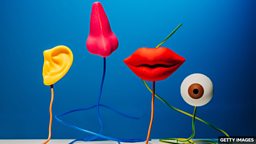
Could humans have 33 senses? 人类可能拥有 33 种感官吗?
Episode 260223 / 23 Feb 2026
Are balance and body awareness senses too?
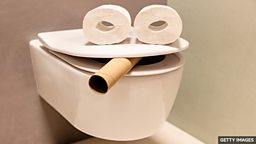
Why can we see faces everywhere? 我们为什么总能随处看到一张脸?
Episode 260216 / 16 Feb 2026
Seeing faces in objects?

Protecting your photos in a digital age 如何在数字时代保管你的照片
Episode 260202 / 02 Feb 2026
What’s the best way to avoid losing all your photos?

A new sport debuts at the Winter Olympics 冬季奥林匹克运动会迎来新项目
Episode 260126 / 26 Jan 2026
What's the newest winter sport at the 2026 Olympics?

The city streets beneath our feet 我们脚下深处的城市街道
Episode 260112 / 12 Jan 2026
What historic worlds can you find underground in the UK?

How AI could change the skills you need 人工智能将如何改变你所需掌握的技能
Episode 260105 / 05 Jan 2026
AI probably won't take your job, but how will it change it?


What makes good wildlife photography 优秀的野生动物摄影有什么特征
Episode 251222 / 22 Dec 2025
What makes a good wildlife photographer?

What can our ancestors teach us about sleep? 我们的祖先能教给我们哪些睡眠知识?
Episode 251215 / 15 Dec 2025
What could you do before your second sleep?

The power of friendship to keep you young 友谊何以使人保持年轻
Episode 251208 / 08 Dec 2025
Is friendship nature's anti-ageing secret?
Is your showerhead as clean as you think? 你用的淋浴头如你想象得那么干净吗?
Episode 251201 / 01 Dec 2025
The inside of your showerhead is more active than you think!
Do we give weight too much weight? 我们是否高估了体重对健康的意义?
Episode 251124 / 24 Nov 2025
Is BMI really the best way to check our health?

Zone zero: Does no-effort exercise have benefits? 毫不费力的 “零区” 锻炼真的有好处吗?
Episode 251117 / 17 Nov 2025
A fitness routine for people who don't like exercise

Why some people believe AI is human 为什么有的人会把人工智能看作人类
Episode 251103 / 03 Nov 2025
What makes AI seem human?

The way you move may be as unique as your fingerprint 我们身体移动的方式可能像指纹一样独特
Episode 251027 / 27 Oct 2025
Can you recognise others by the way they move?

What are the chances of an asteroid hitting you? 你被一颗小行星撞击的概率有多大?
Episode 251020 / 20 Oct 2025
Could an asteroid hit Earth soon?

Is your dog reading your mind? 你的狗狗能读懂你的心思吗?
Episode 251013 / 13 Oct 2025
Is your pet reading your thoughts?

Life lessons learnt from pocket money 从零花钱中学到的人生课程
Episode 251006 / 06 Oct 2025
Should children be paid for doing household chores?
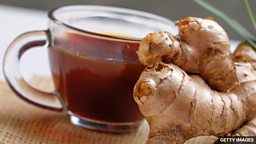
How is ginger good for us? 生姜对健康有哪些益处?
Episode 250929 / 29 Sep 2025
Grate it, chop it, stick it in tea!

What happens when your job is just too boring? 工作太无聊怎么办?
Episode 250922 / 22 Sep 2025
Are you suffering from rust out?

Britain celebrates 200-year anniversary of passenger trains 英国庆祝第一列旅客列车通车 200 周年
Episode 250915 / 15 Sep 2025
What are some of the most beautiful slow train routes in the UK?

Is food colouring bad for you? 食用色素对人体有害吗?
Episode 250908 / 08 Sep 2025
Is it bad to eat too much food colouring?
The dangers of buffets 自助餐的安全隐患
Episode 250901 / 01 Sep 2025
Why should you be careful at the buffet?

How can restaurants earn a Michelin star? 餐厅怎样获得米其林星级?
Episode 250825 / 25 Aug 2025
What makes a restaurant outstanding?
Can we trust technology in sport? 体育竞赛中应用的科技可靠吗?
Episode 250818 / 18 Aug 2025
Technology and humans can make mistakes, so who should we trust?

How to scientifically spot a genuine smile 如何科学地识别真诚的微笑
Episode 250811 / 11 Aug 2025
How can you tell if someone really means their smile?

Can books treat mental health conditions? 读书能帮助我们改善心理健康吗?
Episode 250804 / 04 Aug 2025
Has a book ever made you feel emotional?

Extreme day trips 当日往返的极限旅行
Episode 250728 / 28 Jul 2025
Fancy breakfast in a faraway new city, but getting home in time for bed?

How to deal with milestone birthday blues 如何应对里程碑式生日的焦虑
Episode 250721 / 21 Jul 2025
Why are big birthdays so scary?

Can we create the perfect city soundscape? 我们能规划出完美的城市声景吗?
Episode 250714 / 14 Jul 2025
What can we do to restore the balance between natural and human-made sounds?


What can magic teach us about the brain 魔术向我们揭示了哪些关于大脑的奥秘
Episode 250630 / 30 Jun 2025
How can illusions tell us what happens in our brain?

Morning shower or evening shower: Which is best? 早上洗澡还是晚上洗澡:哪一个最好?
Episode 250623 / 23 Jun 2025
What does a microbiologist have to say about this topic?
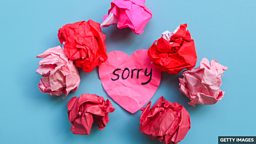
How to make a good apology 如何诚恳而有效地作出道歉
Episode 250616 / 16 Jun 2025
Do you struggle to find the right words for an apology?



Outdoor shoes in the house: What are the dangers? 回家不换鞋有哪些危害?
Episode 250526 / 26 May 2025
Bacteria, allergens and nasty chemicals can all be found on the bottom of your shoe

Turning uncertainty into opportunity 如何化不确定性为机遇
Episode 250519 / 19 May 2025
How can we get better at dealing with uncertainty?
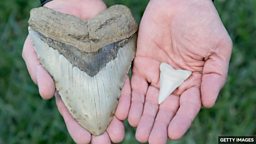

Small steps to build long-lasting habits 通过明确的小目标建立长期习惯的方法
Episode 250505 / 05 May 2025
Building a better you through long-lasting healthy habits

Naps might not be as good for you as you think 小睡也许并没有你所想得那么好
Episode 250428 / 28 Apr 2025
What problems could naps be causing?

Would you let AI be your personal stylist? 你会让人工智能做你的私人造型师吗?
Episode 250421 / 21 Apr 2025
A new wardrobe with artificial intelligence?

How to take control of your emotions 如何掌控你的情绪
Episode 250414 / 14 Apr 2025
Is it always bad to avoid your emotions?



The joy of missing out 错失的喜悦
Episode 250324 / 24 Mar 2025
How can we embrace the joy of missing out?


The benefits of spending money on a good time 把钱花在人生体验上的好处
Episode 250310 / 10 Mar 2025
Would you rather treat yourself to an experience or a material possession?

Flexibility: the overlooked fitness essential 身体柔韧性:被忽视的健康要素
Episode 250303 / 03 Mar 2025
Learn how to get the most out of your stretching routine

Why friends are sometimes unreliable 为什么我们的朋友有时会爽约
Episode 250224 / 24 Feb 2025
Don't flake on us – listen to this!

Tidy space, tidy mind? 环境整洁,头脑也会清晰吗?
Episode 250217 / 17 Feb 2025
Do all your possessions ‘spark joy’?


Making friends as you age 随着年龄增长如何结交新朋友
Episode 250203 / 03 Feb 2025
What's the best way to make new friends?
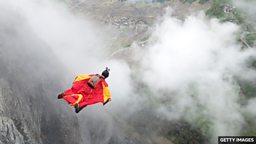
Understanding extreme sports enthusiasts 人们为何进行极限运动
Episode 250127 / 27 Jan 2025
Why do some people choose to climb a rock face without ropes?

How does your brain make you hunt for bargains? 大脑用什么机制促使你总想买便宜货?
Episode 250120 / 20 Jan 2025
What makes a good deal feel good?

The world's first digital country 世界上首个数字化国家
Episode 250113 / 13 Jan 2025
How do you preserve a country digitally?

Eating together: What's so good about it? 和大家一起用餐对我们有何益处?
Episode 250106 / 06 Jan 2025
Humans have eaten together since the discovery of fire

When sandwiches are not so simple 当三明治变得不再简单
Episode 241230 / 30 Dec 2024
What goes into a gourmet sandwich?

Explore the world without leaving home 足不出户也能探索世界
Episode 241223 / 23 Dec 2024
Fancy a virtual holiday?
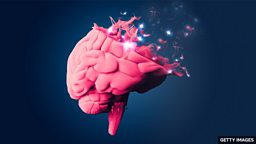
Why forgetting is good for you 为什么遗忘对人有好处
Episode 241216 / 16 Dec 2024
Oops, what did I want to say? Must be a tip-of-the-tongue thing!

Surviving a mistake at work 如何妥善应对工作中的失误
Episode 241209 / 09 Dec 2024
How can you make mistakes and keep your job?

How do polyglots learn languages? 通晓多门语言的人是如何学习语言的?
Episode 241202 / 02 Dec 2024
How can you learn to speak multiple languages?
What makes a person wise? 什么样的人是智慧的?
Episode 241125 / 25 Nov 2024
How is wisdom seen across cultures?

Why we should get used to undetachable bottle lids 为什么我们应该接受并使用拴在瓶身上的瓶盖
Episode 241118 / 18 Nov 2024
Why small lids are causing big problems

Stuck at intermediate level English? Try these tips 卡在英语学习的中级瓶颈期了?试试用这些方法突破
Episode 241111 / 11 Nov 2024
How to push past the intermediate plateau

What makes something go viral? 哪些事会在互联网上火起来?
Episode 241104 / 04 Nov 2024
What does content need to have a chance of going viral?

Why we've stopped answering the phone 为什么我们不喜欢接电话了
Episode 241028 / 28 Oct 2024
Have text messages, group chats and voice notes killed the phone call?

Flying pollutes, but what can we do instead? 哪些更环保的出行方式可能代替坐飞机?
Episode 241021 / 21 Oct 2024
How can we make rail travel more attractive?

Life as a digital nomad 数字游民的生活方式
Episode 241014 / 14 Oct 2024
Is being a digital nomad as great as it sounds?
Easy ways to get more nutrients 改善营养的好方法
Episode 241007 / 07 Oct 2024
Why we should all be a bit more adventurous
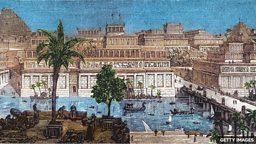
What was on the menu 4,000 years ago in Mesopotamia? 美索不达米亚地区四千年前的菜单上都有什么菜?
Episode 240930 / 30 Sep 2024
Did you know that ancient Babylonian people loved stews and broths?

Nature that glows 自然界中会发光的生物
Episode 240923 / 23 Sep 2024
What is bioluminescence and what creatures have it?
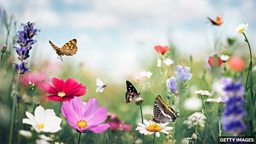
Rewilding: letting nature come back to life “再野化”:让自然生态环境重焕生机
Episode 240909 / 09 Sep 2024
Read about this technique to tackle climate change and biodiversity loss
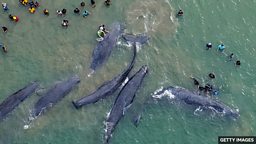
What happens to beached whales? 鲸鱼搁浅对我们有何启示?
Episode 240902 / 02 Sep 2024
How do you get rid of a whale carcass?


How we learn accents before we learn words 学说话之前,我们的口音就已经形成了吗?
Episode 240819 / 19 Aug 2024
Why don't babies all sound the same?
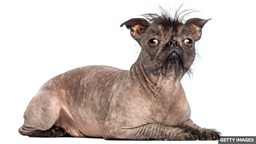
The ugly-cute phenomenon – what is our obsession with ugly pets? “又丑又可爱” 现象——我们为什么痴迷于长得丑的宠物?
Episode 240812 / 12 Aug 2024
Find out why humans love ugly animals here


Is watching sports good for your wellbeing? 观看体育比赛对身心健康有利吗?
Episode 240729 / 29 Jul 2024
Find out how watching sports can improve your wellbeing

What happens to our brain when we sleep? 我们睡觉时大脑在做什么?
Episode 240722 / 22 Jul 2024
Find out what is happening inside our brains while we sleep here
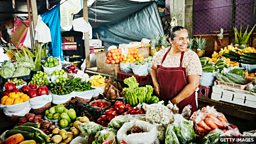
Feeding your gut “喂养” 你的肠道菌群
Episode 240715 / 15 Jul 2024
What should you eat to improve your microbiome?

Forever chemicals “永久性化学物” 是什么?
Episode 240708 / 08 Jul 2024
Why are people worried about forever chemicals?

What your scent says about you 你身上的气味能传递哪些信息?
Episode 240701 / 01 Jul 2024
Find out what different diseases smell like

Is time travel possible? 时间旅行可以实现吗?
Episode 240624 / 24 Jun 2024
Is it easier to travel to the future or the past?

How sponge cities could prevent floods “海绵城市” 如何 “吸水” 防涝?
Episode 240617 / 17 Jun 2024
What is a sponge city?

Britain’s April showers 英国四月的阵雨
Episode 240610 / 10 Jun 2024
Should we learn to love the April showers?
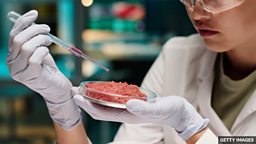
Why is lab-grown meat expensive? 为什么实验室培育的 “人造肉” 很贵?
Episode 240603 / 03 Jun 2024
Why is lab-grown meat still not on our plates?
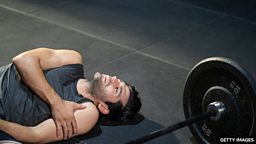
When exercise stops being good for you 当健身不再有益健康
Episode 240527 / 27 May 2024
Are gyms less healthy than you thought?
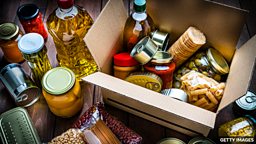
Which foods will survive 2,000 years from now? 哪些食物保存2000年后还能吃?
Episode 240520 / 20 May 2024
Why does food go off, and how can we keep it fresh?

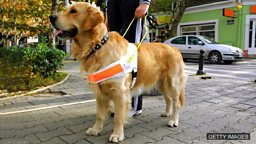
The perfect assistance dog 一只合格的协助犬应具备哪些能力?
Episode 240513 / 13 May 2024
They might look cute, but these pups are also very smart!

Why subtitles matter 为什么字幕很重要?
Episode 240506 / 06 May 2024
Find out why more and more of us are turning on the subtitles

Is slouching really that bad for us? 低头垂肩真的会影响健康吗?
Episode 240429 / 29 Apr 2024
Find out what the experts say about your posture

A new sport for Paris 2024 2024巴黎奥运会新项目:霹雳舞
Episode 240422 / 22 Apr 2024
What is the newest Olympic sport?
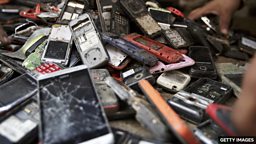
Digital memories might not last forever “数字记忆” 可能不会永存
Episode 240415 / 15 Apr 2024
Learn about the risks in storing digital data
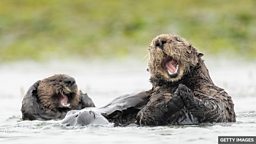
Do animals make jokes too? 动物也会像人类一样开玩笑?
Episode 240408 / 08 Apr 2024
Scientists say your pets are secret jokesters

Why it's hard to spot a liar 为什么我们很难发现说谎者?
Episode 240401 / 01 Apr 2024
What makes it so difficult to know when people are lying to us?

How does heartbreak affect us? “心碎” 对我们身心的影响
Episode 240325 / 25 Mar 2024
How does heartbreak affect us physically and emotionally?

When did we start walking for leisure? “散步” 的起源
Episode 240318 / 18 Mar 2024
Are you someone who likes walking around the city to relax?

How to cope with homesickness 何以解乡愁?
Episode 240311 / 11 Mar 2024
What can we do to feel less homesick?

Knowing our limitations 了解自身能力的局限性
Episode 240304 / 04 Mar 2024
How good are we at assessing our own abilities?
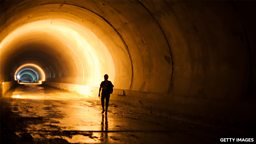
Should we put roads underground? 我们应该把道路建在地下吗?
Episode 240226 / 26 Feb 2024
Would you drive around your city in underground tunnels?
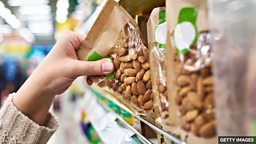
How a snack is born 一款新零食是如何诞生的
Episode 240219 / 19 Feb 2024
Have you ever wondered how companies come up with your favourite snacks?
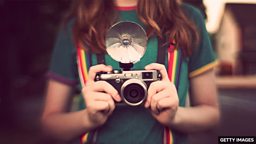
Photography through the years 过去两百年来摄影技术的发展
Episode 240212 / 12 Feb 2024
How were the first ever photographs captured?

Don't feel guilty about guilty pleasures 偶尔享受乐事莫自责
Episode 240205 / 05 Feb 2024
Could guilty pleasures just be a form of self-nurture?
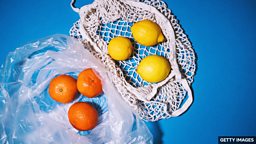
Is plastic always bad? 使用塑料制品一定是坏事吗?
Episode 240129 / 29 Jan 2024
Could plastic be more sustainable than we thought?
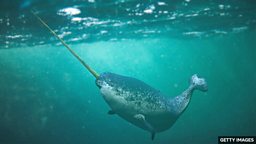
Narwhal population affected by underwater noise pollution 海洋噪音污染导致一角鲸数量下降
Episode 240122 / 22 Jan 2024
What's happening to the unicorns of the sea?
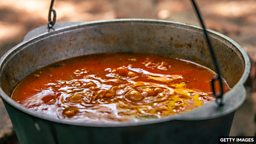
Perpetual stew: decades in the making 几十年不离火的 “永久炖菜”
Episode 240115 / 15 Jan 2024
Would you eat a stew that’s been cooking for 60 days?

A new hobby for a new year 新年培养新爱好
Episode 240108 / 08 Jan 2024
What hobby have you always dreamed of pursuing?

Motivation and the fear of failure 对失败的恐惧可以化作动力吗?
Episode 240101 / 01 Jan 2024
Is success or failure a better motivator?

How architecture makes us feel 建筑设计对人心理健康的影响
Episode 231225 / 25 Dec 2023
Do you ever feel stressed out by buildings?

How much water should we drink? 我们每天应该喝多少水?
Episode 231211 / 11 Dec 2023
Do you control how much water you drink?
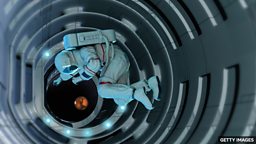
Health in space 太空旅行对健康的影响
Episode 231204 / 04 Dec 2023
What health risks do astronauts face in space?

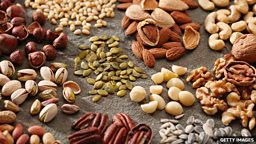
How seeds make up our diet 种子类食品在日常饮食中的重要性
Episode 231120 / 20 Nov 2023
Learn how seeds are an important part of our diet

Flexible thinking for your career 日常工作中的 “弹性思维”
Episode 231113 / 13 Nov 2023
How can changing the way you think help you at work?

Breathing exercises 呼吸训练的益处
Episode 231106 / 06 Nov 2023
Find out why breathing exercises really can be the answer to anxiety



Talking to solve friendship problems 通过交谈化解与朋友间的矛盾
Episode 231002 / 02 Oct 2023
Learn how to have a difficult conversation without losing a friend


The amazing shipping container 灵活实用的集装箱
Episode 230918 / 18 Sep 2023
Why are shipping containers amazing?

Mystery boxes 买 “盲盒” 的利与弊
Episode 230911 / 11 Sep 2023
Learn all about mystery boxes in this Take Away English

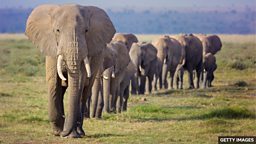
The deep culture of elephants 象群中的深层文化
Episode 230828 / 28 Aug 2023
What exactly is elephant culture?

Authentic cuisine 美食一定要 “正宗” 才好吗?
Episode 230821 / 21 Aug 2023
Find out why the authenticity of food can be confusing

Why our brains love lists 为什么我们的大脑喜欢清单思维?
Episode 230814 / 14 Aug 2023
The productivity secret everyone knows

How to stop mosquito bites 如何防止蚊子叮咬
Episode 230807 / 07 Aug 2023
What kind of clothing can help us avoid mosquito bites?
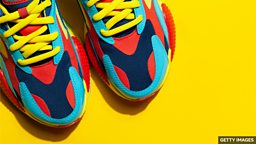
Sneakers: sports shoes to fashion icons 运动鞋:从体育用品到时尚的象征
Episode 230731 / 31 Jul 2023
How did the humble sneaker become part of the fashion industry?

How the seasons affect your sleep 季节如何影响你的睡眠
Episode 230724 / 24 Jul 2023
Learn why you should go to bed earlier in winter


How music takes us back to our past 音乐如何勾起我们的回忆?
Episode 230710 / 10 Jul 2023
Why is music so memorable and why is it so good at reminding us of past times?
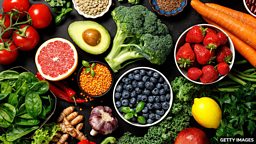

How multilingual dreams are connected to language learning 多语言的梦与语言学习的联系
Episode 230626 / 26 Jun 2023
Learn why you should get a good night’s sleep before your next English test

The grown-ups who play with toys 爱玩玩具的 “大小孩”
Episode 230619 / 19 Jun 2023
Are you ever too old for toys?
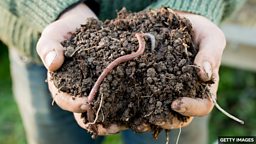

The magic of fungi 真菌的神奇之处
Episode 230522 / 22 May 2023
Learn why we should all be paying more attention to mushrooms

Obstacles to the correct decision 阻碍我们作出正确决定的因素
Episode 230515 / 15 May 2023
What stops us making good decisions?
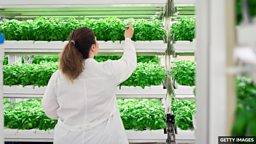
Is this the end of vertical farming? 垂直农业是否已走到尽头?
Episode 230508 / 08 May 2023
What is vertical farming and why is it under threat?

Shampoo – do we really need to use it? 我们真的需要用洗发水吗?
Episode 230501 / 01 May 2023
Learn about why we use shampoo and whether it really makes a difference


The power of smell 气味的力量
Episode 230417 / 17 Apr 2023
Has a smell ever strongly reminded you of something in the past?



The history of instant noodles 方便面的前世今生
Episode 230327 / 27 Mar 2023
Learn about how instant noodles became a global sensation

The price of looking and feeling good 美容舒心的成本
Episode 230320 / 20 Mar 2023
How much do you spend on your appearance?
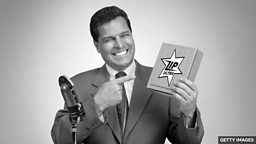
What adverts do to persuade us 广告中说服消费者购物的策略
Episode 230306 / 06 Mar 2023
How are we persuaded to buy things?

Why do we eat spicy food? 我们为什么喜欢吃辣?
Episode 230227 / 27 Feb 2023
Learn about how humans developed a taste for spicy food
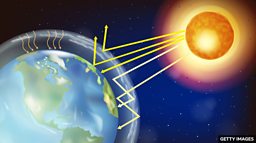
The greenhouse effect 温室效应
Episode 230220 / 20 Feb 2023
Learn how you can help reduce the greenhouse effect here



The Arctic tern's epic journey 北极燕鸥的漫长迁徙之旅
Episode 230116 / 16 Jan 2023
What is so special about this little bird?




Smarter ways to learn from failure 从失败中学习的聪明方法
Episode 221219 / 19 Dec 2022
No one likes to fail, so what are some ways to really learn from it?

Can we improve our memory? 记忆力可以提高吗?
Episode 221212 / 12 Dec 2022
Is it possible to get better at remembering things?

Should you build a capsule wardrobe? 你可能也需要一个 “胶囊衣橱”
Episode 221205 / 05 Dec 2022
Do you want an easier way to choose your outfits?

Are first impressions really accurate? 人们对他人的第一印象是否准确?
Episode 221128 / 28 Nov 2022
Why does a first impression need two people to be accurate?


Ice cream innovation 冰淇淋创新趋势
Episode 221107 / 07 Nov 2022
Ice cream is more than just a sweet treat – it's a reflection of global trends

The alternatives to milk 牛奶的替代品
Episode 221024 / 24 Oct 2022
What alternatives to milk have you tried?
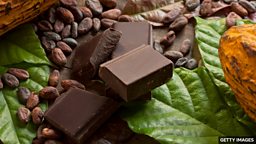
Can chocolate ever be healthy? 巧克力能成为健康食品吗?
Episode 221017 / 17 Oct 2022
Do you know about the benefits of eating dark chocolate?

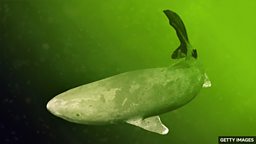
Creatures of the deep 海洋生物
Episode 221003 / 03 Oct 2022
What creatures are living deep in our oceans?
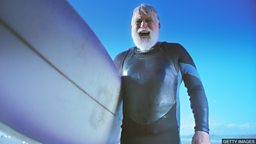
Can you delay ageing with a positive attitude? 积极的态度可以延缓衰老吗?
Episode 220926 / 26 Sep 2022
How our attitude towards ageing can have an impact on how long we live


Should you play fantasy sports? 我们应该参与梦幻运动吗?
Episode 220912 / 12 Sep 2022
Would you be good at managing a sports team?
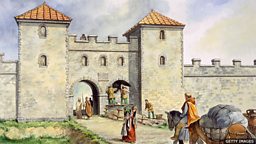
How the Romans influenced English 罗马文明对英语语言的影响
Episode 220905 / 05 Sep 2022
Which English words do you know that came from the Romans?

Why do we dream? 我们为什么会做梦?
Episode 220822 / 22 Aug 2022
There are different theories on why we dream

Second-hand clothes and reducing your fashion footprint 买二手衣服 减少你的时尚碳足迹
Episode 220815 / 15 Aug 2022
How buying second-hand is both trendy and good for the environment

Finding your doppelganger 寻找长相酷似你的那个人
Episode 220808 / 08 Aug 2022
What is the likelihood of you having someone in the world who looks just like you?

Is there a best time to exercise? 一天中有没有最佳的锻炼身体时间?
Episode 220801 / 01 Aug 2022
How can the time you exercise affect the results you achieve?
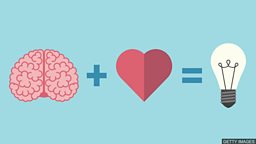
Is EQ the secret to success? 情商是成功的秘诀吗?
Episode 220725 / 25 Jul 2022
Can improving your emotional intelligence help you to succeed at work?
Why gratitude is good for you 为什么感恩对你有好处
Episode 220718 / 18 Jul 2022
Did you know that gratitude can be good for your body, your mind and your relationships?

Is listening to a book better than reading it? 听书比看书更好吗?
Episode 220711 / 11 Jul 2022
Does the device you’re reading with affect your reaction to the book?
The benefits of boxing 练拳击的好处
Episode 220704 / 04 Jul 2022
Did you know that boxing can have physical, mental and social benefits?

What are the benefits of going back to university? 重返校园的好处有哪些
Episode 220627 / 27 Jun 2022
Do you want to study again?




Should you count calories? 健康饮食该不该计算卡路里?
Episode 220523 / 23 May 2022
Do you know how many calories are in what you eat?


The growing popularity of cycling 骑车出行再度兴起
Episode 220502 / 02 May 2022
You’ll never forget how to ride a bike

Algorithms and online shopping 算法对网购体验的影响
Episode 220425 / 25 Apr 2022
Who decides what goes in your online shopping basket?

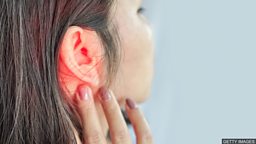
The dangers of loud noise 高分贝噪音的危险
Episode 220411 / 11 Apr 2022
Do you know how to protect your hearing?




The different eras of houses in the UK 英国不同时代的住宅
Episode 220314 / 14 Mar 2022
Choosing a place to live in the UK


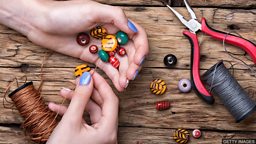



Stay-at-home fathers “全职奶爸” 不再是非主流
Episode 220131 / 31 Jan 2022
Why do people choose to be stay-at-home dads?





Surviving the winter blues 撑过冬季带来的忧郁情绪
Episode 211213 / 13 Dec 2021
What’s causing our miserable winter mood?



The benefits of learning a musical instrument 学习乐器的好处
Episode 211115 / 15 Nov 2021
Do you want to learn an instrument?

The cost of going to a wedding 出席婚礼的花销
Episode 211108 / 08 Nov 2021
What’s the price to attend a wedding?

Could lending affect your friendship? 借钱会影响你的友谊吗?
Episode 211025 / 25 Oct 2021
Have you ever lent money to a friend?

Do we still need to write by hand? 数码时代用手写字有什么好处?
Episode 211018 / 18 Oct 2021
Is writing by hand a dying art?



AI in the home 家居生活智能化
Episode 210927 / 27 Sep 2021
Could there be an AI system that controls the devices in your home?

Minimalism vs maximalism 极简主义和极繁主义
Episode 210913 / 13 Sep 2021
Do you like filling your home with things?

The benefits of being an introvert 性格内向有哪些好处?
Episode 210906 / 06 Sep 2021
Is being an extrovert necessarily better than being an introvert?

How to maintain your privacy online? 如何在网上保护个人隐私?
Episode 210830 / 30 Aug 2021
Is your information private online?
How to motivate children to succeed 如何激励孩子向成功进发
Episode 210823 / 23 Aug 2021
Are your children motivated to succeed?

How important is choosing the right name? 取个好名字到底有多重要?
Episode 210816 / 16 Aug 2021
Do you like your name?

How should you clean your teeth? 怎样正确地清洁牙齿?
Episode 210809 / 09 Aug 2021
Are you cleaning your teeth correctly?


Is breakfast really so important? 吃早餐真的有那么重要吗?
Episode 210719 / 19 Jul 2021
Do you always eat breakfast?

Do we really need 8 hours’ sleep? 我们真的需要八小时睡眠吗?
Episode 210712 / 12 Jul 2021
Is 8 hours of sleep a necessity?

Could procrastination be beneficial? 拖延是否也有益处
Episode 210705 / 05 Jul 2021
Could wasting time be a good thing?


How rural life becomes a modern fantasy 现代人为何憧憬乡村生活?
Episode 210621 / 21 Jun 2021
Do you dream of a life in a rural setting?

Why office friendships are still important 为什么同事间的情谊依然重要?
Episode 210607 / 07 Jun 2021
Are you being friendly at work?





Can the 'paradox mindset' help you? “悖论思维” 能帮你更好地看问题吗?
Episode 210419 / 19 Apr 2021
Do you have a ‘paradox mindset’?


The benefits of spring cleaning 春季大扫除的好处
Episode 210329 / 29 Mar 2021
When do you have a big clean in your house?






Could eating jellyfish be sustainable? 海蜇:可持续性食物?
Episode 210104 / 04 Jan 2021
Jellyfish as a sustainable food source






The end of the office? 未来办公室会消失吗?
Episode 201109 / 09 Nov 2020
Will the office of the future be your home?

Do social influencers affect our buying? 你的购买行为受 “网红” 的影响吗?
Episode 201102 / 02 Nov 2020
Have you been influneced?


Humiliation and how to deal with it 如何对待耻辱
Episode 201019 / 19 Oct 2020
Have you ever felt humiliated?




Is DNA testing accurate? DNA 测试准吗?
Episode 200921 / 21 Sep 2020
How could you have a different ancestry DNA test result to your sibling?

Are people loyal to brands? 消费者对品牌忠诚吗?
Episode 200907 / 07 Sep 2020
Why do some people always buy the same brand of footwear, toothpaste and phones?

How to improve your sleep 如何改善睡眠质量
Episode 200831 / 31 Aug 2020
Find out how to improve the quality and duration of your sleep



Convenience vs health: the takeaway dilemma 图省事还是保健康?点外卖的纠结
Episode 200803 / 03 Aug 2020
Can you have too much takeaway food?



How long-distance relationships work 异地恋该如何维护感情
Episode 200706 / 06 Jul 2020
How can you love at distance?


What does a dog mean when it wags its tail? 狗摇尾巴是什么意思?
Episode 200622 / 22 Jun 2020
How does a dog express itself?




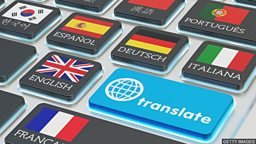
Can computer translators beat humans? 机器翻译能打败人工翻译吗?
Episode 200511 / 11 May 2020
Is computer translation a good as human translation?
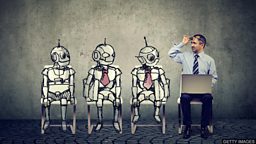


The popularity of kosher food 引领饮食潮流的犹太洁食
Episode 200420 / 20 Apr 2020
Why is kosher food so popular?


The pros and cons of flatsharing 合租公寓的优缺点
Episode 200406 / 06 Apr 2020
Would you share a flat with strangers?

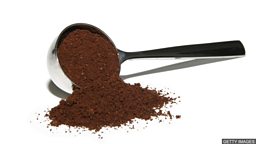
What can you do with used coffee? 咖啡渣的用途
Episode 200323 / 23 Mar 2020
What can you do with used coffee?

Unrealistic career aspirations 英国年轻人不现实的职业理想
Episode 200316 / 16 Mar 2020
What’s the right career for you?

When should I have a sick day? 什么时候该请病假?
Episode 200309 / 09 Mar 2020
A sick day: nothing to be sneezed at!


Should we talk about our salaries? 同事之间工资应该公开吗?
Episode 200224 / 24 Feb 2020
Do you know how much your colleagues earn?







Making flying better for the environment 让飞行更环保
Episode 200106 / 06 Jan 2020
Making aviation ‘greener’
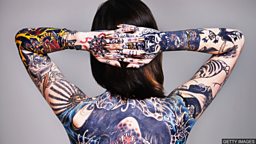



Happy or sad: What type of music do you like? 悲伤还是快乐 —— 你喜欢哪种音乐?
Episode 191209 / 09 Dec 2019
What goes on in the brain and the body when we listen to sad music?

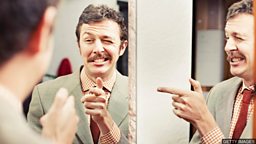
What’s a narcissist like? 自恋者是什么样的人?
Episode 191125 / 25 Nov 2019
Meet the ‘horrible but happy’ people


Can playing video games get you a better job? 玩电游能帮你找到更好的工作吗?
Episode 191028 / 28 Oct 2019
Gaming life skills










Could a four-day working week work? 每周四天工作日,可行吗?
Episode 190708 / 08 Jul 2019
Does 4 days work work?


Is too much screen time bad for children? 使用屏幕时间过长对儿童有害吗?
Episode 190617 / 17 Jun 2019
A good time for screen time?



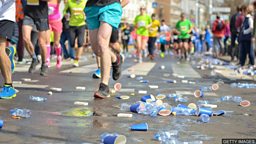
Making marathons environmentally friendly 让马拉松变得更环保
Episode 190520 / 20 May 2019
Sustainable marathons
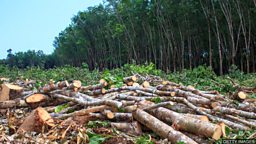
High level of deforestation continues 大规模森林砍伐活动仍在继续
Episode 190513 / 13 May 2019
Deforestation problem


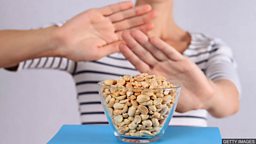
Are we becoming more allergic to food? 食物过敏越来越常见的原因
Episode 190422 / 22 Apr 2019
Food allergy increase

Is the UK abandoning its cities? 英国人 “逃离” 大城市的原因
Episode 190415 / 15 Apr 2019
Is the UK leaving its cities?

Are we addicted to video games? 从玩游戏上瘾得出的一点思考
Episode 190408 / 08 Apr 2019
Are we addicted to video games?



Thousand fewer UK students at Oxbridge 牛津剑桥招录的英国学生人数大副减少
Episode 190311 / 11 Mar 2019
Oxbridge places






The origin of the New Year's resolution “新年决心” 的前世今生
Episode 190107 / 07 Jan 2019
Where do New Year's resolutions originate?

Wake up and smell the coffee! 闻闻咖啡 清醒清醒
Episode 181224 / 24 Dec 2018
How important is the smell of coffee?




There's a museum for everyone 千奇百怪的博物馆 总有一个适合你
Episode 181119 / 19 Nov 2018
There's a museum for your interest, too!

Random acts of kindness 赠人玫瑰,手有余香
Episode 181112 / 12 Nov 2018
Make the world a better place with a random act of kindness

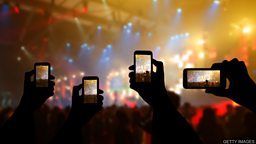
Are smartphones killing cameras? 手机拍照的流行对传统相机市场的影响
Episode 181022 / 22 Oct 2018
The future of photography


Fighting sadness without medication 不服药的抗忧伤法
Episode 181008 / 08 Oct 2018
Do we need medication to stop being sad?

The dos and don'ts of the UK commute 英国人通勤时的行为准则
Episode 181001 / 01 Oct 2018
Useful travel tips from the UK

The UK charity shop 英国的慈善义卖商店
Episode 180924 / 24 Sep 2018
Why not take your unwanted things to a charity shop?
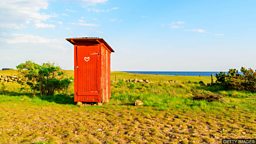
UK public toilets are less common 英国公共厕所数量有所下降
Episode 180917 / 17 Sep 2018
Toilets are being closed in the UK

The more sensible youth of today 明智的当代年轻人
Episode 180910 / 10 Sep 2018
A younger, more sensible generation?

The decline of dating apps 交友软件在英国的兴衰
Episode 180903 / 03 Sep 2018
Are fewer people using dating apps?



The benefits of a summer job 学生在暑期工作的好处
Episode 180813 / 13 Aug 2018
Summer jobs can have career-related benefits.

Can AI save us from bad meetings? 人工智能给糟糕的会议画上句号?
Episode 180806 / 06 Aug 2018
Could AI make our meetings better?
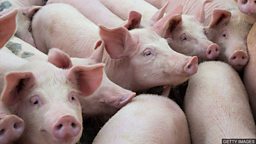
Scientist create gene-edited pigs 英科学家用基因编辑造“抗病猪”
Episode 180723 / 23 Jul 2018
Scientists have created gene-edited pigs


The continued appeal of online shopping 网上购物热潮继续增温
Episode 180702 / 02 Jul 2018
The appeal of online shopping
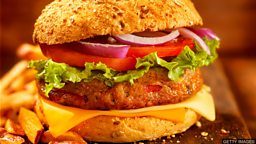
Why some vegetarian foods imitate meat 为什么素食要追求“肉相”
Episode 180625 / 25 Jun 2018
A veggie burger that bleeds






The congestion caused by ride-hailing 叫车软件造成的交通拥堵难题
Episode 180514 / 14 May 2018
Ride-hailing causes traffic jams
The niche food festivals of the UK 英国多种多样的小众美食节
Episode 180507 / 07 May 2018
Is there one food that you really love?
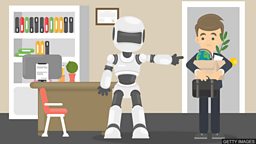
Will robots cost us our jobs? 机器人会抢走我们的饭碗吗?
Episode 180423 / 23 Apr 2018
Will robots steal human jobs?

App to reward non-use of phone 放下手机就可积分换奖励
Episode 180416 / 16 Apr 2018
App to help you resist your phone
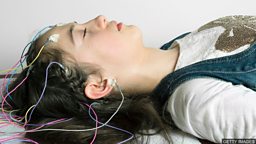
What you didn't know about the verges of sleep 你不知道的“入睡边缘”常识
Episode 180409 / 09 Apr 2018
New fringe sleep study
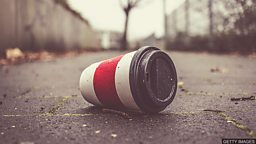
The problem with disposable coffee 外带咖啡纸杯的“回收难题”
Episode 180402 / 02 Apr 2018
Disposable coffee cup alternatives



Millennial grooms take spouse’s name 千禧一代新郎选择婚后随妻姓
Episode 180312 / 12 Mar 2018
Grooms taking their bride’s name


Virtual exercise in the gym 利用虚拟现实技术的新健身体验
Episode 180226 / 26 Feb 2018
What happens when you combine virtual reality and the gym?

Is too much screen time affecting children's eyesight? 长时间看屏幕会影响孩子的视力?
Episode 180212 / 12 Feb 2018
Screens and eyesight


Should schoolchildren have jobs? 中小学生应做兼职工作吗?
Episode 180129 / 29 Jan 2018
Too busy to study and work?



The dogs who safeguard our hearts 养狗能保护我们的心脏健康
Episode 180108 / 08 Jan 2018
Are dogs good for our health?



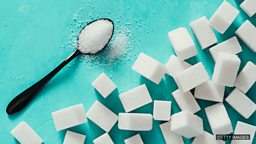
Sweet tooth hazards 爱吃甜食给健康带来的隐患
Episode 171211 / 11 Dec 2017
Health problems caused by eating too much sugar
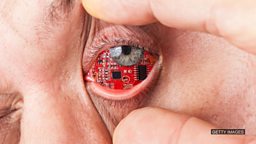
One step closer to cyborgs 我们离半机械人时代又近了一步
Episode 171204 / 04 Dec 2017
Do we have the technology to become cyborgs?

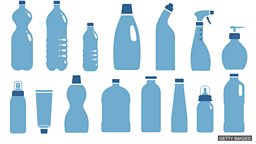




Five things invented by women 五件由女性发明的东西
Episode 171016 / 16 Oct 2017
Men invented computer programming, right?


Do brain training games actually work? 智力开发类游戏“效果甚微”
Episode 170925 / 25 Sep 2017
Does brain training actually work?


Is binge-watching the new addiction? 连续“刷剧”成为现代人新瘾
Episode 170911 / 11 Sep 2017
Binge-watching. Good or bad?








Do it yourself exercise 自主健身小贴士
Episode 170710 / 10 Jul 2017
What’s the best way to start an exercise regime?


The future of advertising 广告产业的未来
Episode 170522 / 22 May 2017
Are we approaching a revolution in advertising?