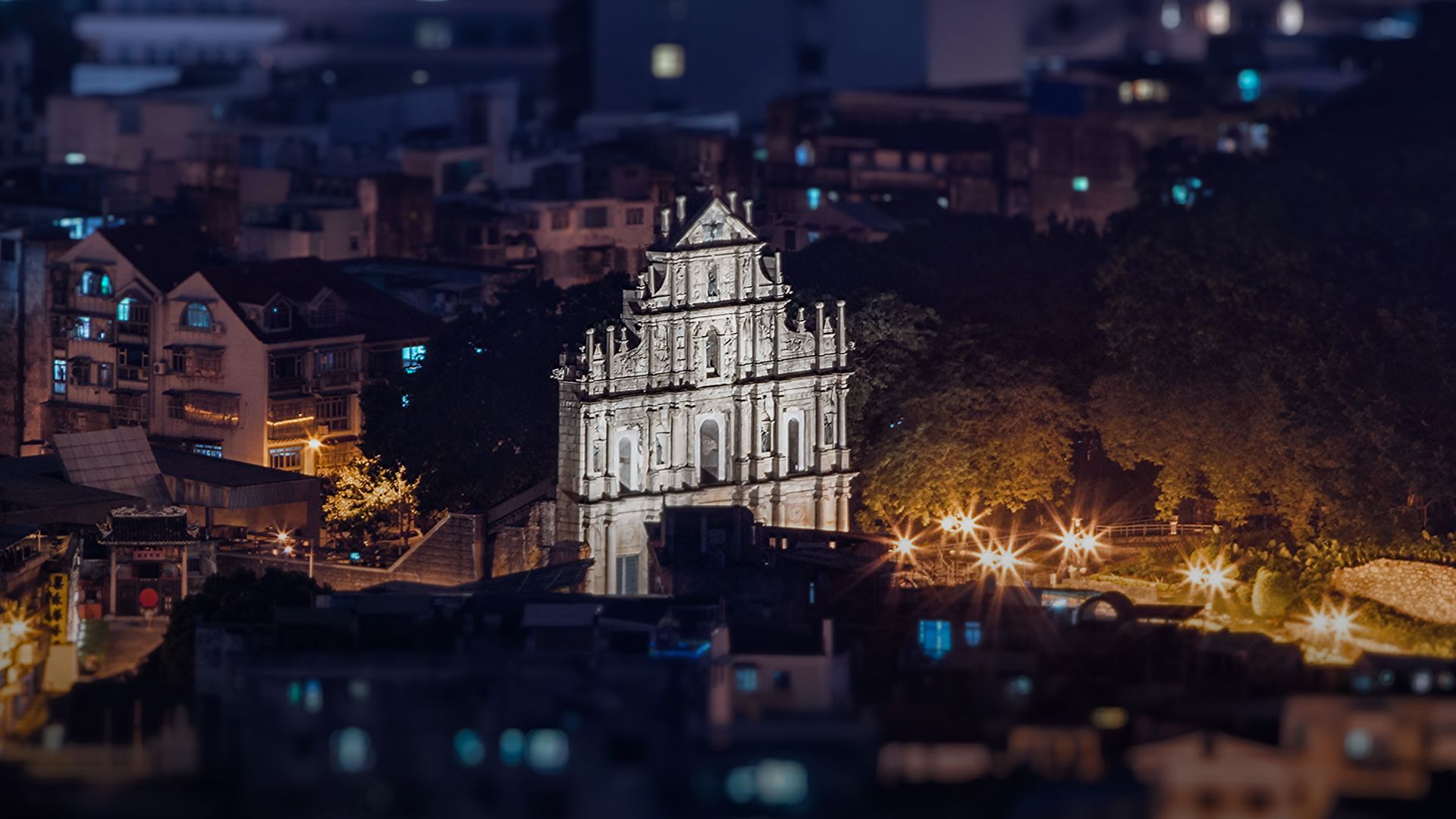
When travellers think of Macao, lavish resorts and bustling nightlife might spring to mind. But beyond this glitz and glamour, another side to the city lies waiting to be discovered – one brimming with cultural depth, historical treasures and modern entertainment, offering visitors an experience that is equally – if not more – wondrous.
Unearthing the Historic Centre of Macao
Macao's allure is a captivating fusion of Chinese and Portuguese cultures, history and modernity, natural wonders and architectural marvels, all compactly located within the borders of an area under 30 sq km.
There’s no better way to experience the duality of this special administrative region than on a walking tour of the Historic Centre of Macao. In this Unesco World Heritage Site, the themed façades of modern hotels give way to buildings adorned with Azulejo tiles, pockets of nature such as Luís de Camões Gardens provide a refreshing escape from the urban bustle, and traditional Buddhist temples stand in harmony with elegant Catholic churches.
“A walking tour reduces the sense of distance for visitors, giving them a greater appreciation and understanding of the Historic Centre of Macao,” says Ng Sio Pan, who leads guided tours for the Macao Association of Oral History. “This sense of distance isn’t just physical, but it’s also a subjective feeling, and with a high density of cultural heritage in a small area – more than 22 attractions and eight squares – visitors can experience a more intimate comprehension of the area.”
Tracing Macao’s dual heritage, the tour begins at the city’s most famous landmark, the Ruins of St Paul's, where the façade’s elaborate bas-relief carvings tell of the intermingling of cultures that have left an indelible mark on Macao's story. Next door, the Macao Museum at Mount Fortress is the place to delve into the neighbourhood's past, with artefacts and archival photographs bringing to life a more intimate picture of the city's transformation over the centuries.
“Hundreds of years ago, Macao was the first stop for Western culture to come to the East”, says Pan. “In modern times, this closeness and exchange has been sustained, and we can see it in everything from architecture to cuisine.”
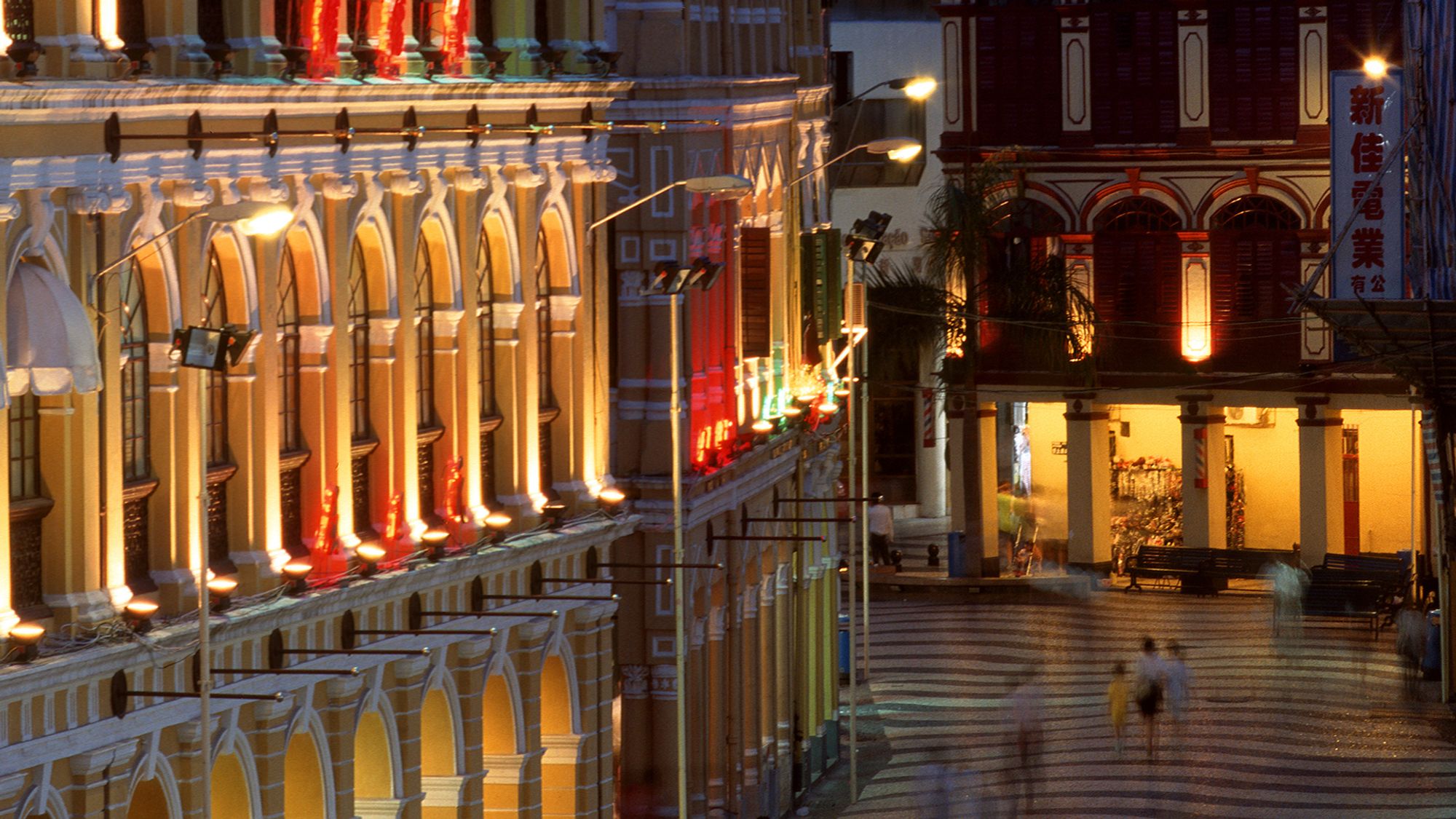 Senado Square with its colourful buildings and patterned cobblestones lies in the heart of the Historic Centre of Macao.
A leisurely meander through the winding, cobbled streets off the museum reveals old-worldly churches, tranquil banyan-shaded squares and bustling cafes all leading to Senado Square. At this beating heart of Macao’s centre, visitors might easily mistake their surroundings for the Portuguese capital Lisbon – the colourful architecture and pavement mosaic of black-and-white limestone as authentic as anything found in Lisbon’s charming streets.
Through the square and gently pulling you back to the Asian continent is the lively sound of street vendors conversing in Cantonese, locals practising tai chi in lush parks and the final highlight of the walking tour: the captivating sight of A-Ma Temple, with its moon gates, prayer pavilions and sweet, earthy scent of incense.
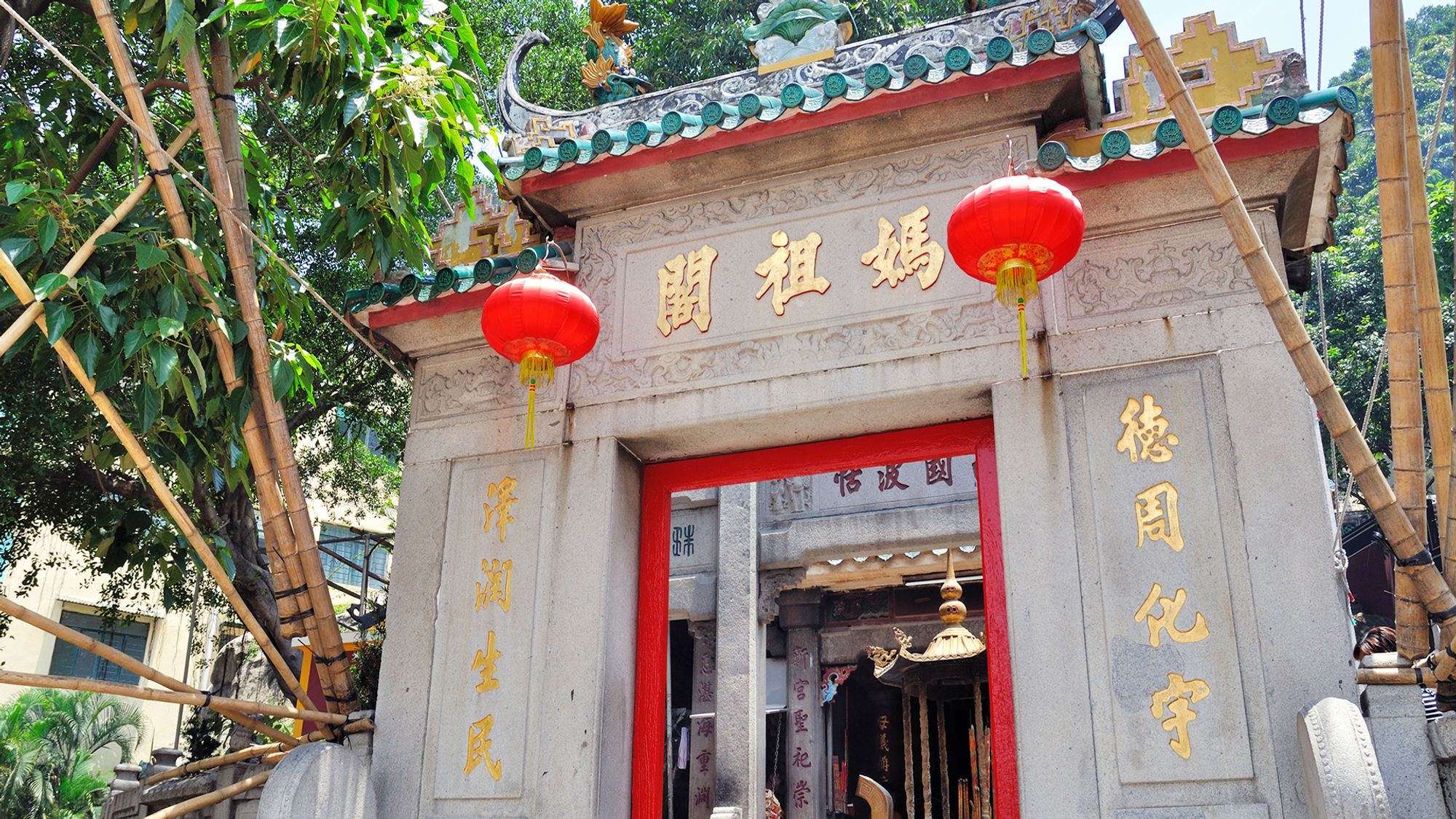 The A-Ma temple was built in 1488 and is one of the oldest in the city.
“The harmonious intermingling of cultures is what makes Macao so unique,” says Pan. “Tracing Macao's streets means visitors can get up close with the respective legacies of Chinese and Portuguese influences as they unfold and witness the mutual respect that helps them exist side by side.”
A brush with the past in Taipa
While the Historic Centre of Macao’s sites such as the Guia Fortress and the Moorish Barracks recall the city’s colonial history, the once-sleepy fishing-village island of Taipa tells the story of everyday life for its residents.
The Taipa Houses are a definitive feature of Macao's five centuries of Portuguese influence. These five mint-green colonial buildings house the Museum of Taipa and Coloane History and host themed exhibitions, art displays and historical artefacts. At one of the houses, you’ll find the Macanese Living Museum, which offers an immersive experience of local lifestyle and customs.
Plenty of the life and spirit of Taipa Village can be found on the streets, too. The legendary Les Long Firework Factory was once one of five firecracker factories in Macao and a testament to the city's lively traditions and vibrant celebrations. Feira do Carmo, a market space that has evolved into a stunning meeting square, makes another excellent stop to experience an authentic slice of Macao life on your exploration of Taipa.
An evolving entertainment offering
While preserving its cultural heritage, Macao remains one of the world’s entertainment capitals. Away from the sleepier side of its historical marvels, investment in wider attractions is reshaping Macao’s entertainment scene to appeal to the interests and preferences of a more diverse visitor audience.
“Macao continues on its path of economic diversification” says Grant Chum, chief operating officer, executive director, Sands China. “In the tourism industry, and for integrated resort operators in particular, that translates into promoting and expanding our offerings, which comprise world-class hospitality, retail, dining, entertainment, MICE and themed attractions.”