A feast for the senses

A feast for the senses

A portrait of Macao

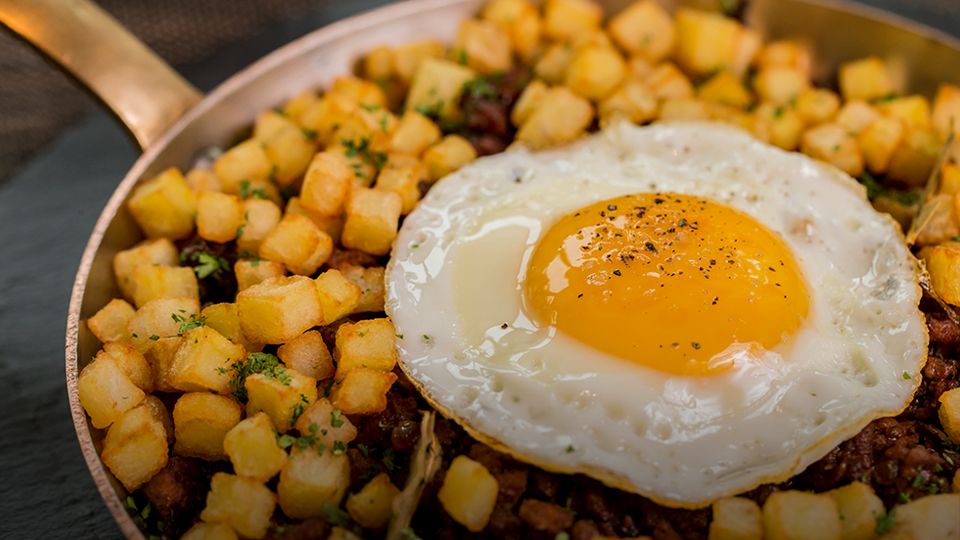
Macao’s culinary history is a story of delicious confluences. According to Unesco, the world’s first fusion food – Macanese cuisine – was born here, a unique melange of Chinese and Portuguese flavours that originated in the 16th century when Macao was leased to Portugal as a trading post. Today, the city still draws international travellers with its glamorous Las Vegas-style integrated resorts and most notably, its diverse culinary heritage. Mention Macao, and iconic foods such as egg tarts, pork chop buns, almond cookies and minchi (sweet-salty minced beef or pork served with a sunny side egg on rice) immediately come to mind. Portuguese influences are evident in many local Lusophone restaurants, such as bacalhau (salted codfish), Portuguese baked duck rice, as well as serradura, an addictively creamy pudding made with condensed milk, cream, and topped with finely-crushed tea biscuits.

The Unesco-designated Creative City of Gastronomy is also renowned for its superb fine-dining scene, where restaurants offer a multi-sensory experience blending extraordinary flavours, artistic presentation and decor. Macao’s high-end cuisine has thrived, buoyed by new five-star hotel openings including The Londoner Macao, The Grand Lisboa Palace, the St Regis Macao, W Macau, Andaz Macau and Raffles at Galaxy Macau. Despite the challenges of the pandemic, Macao’s restaurants have made strong showings in top international food guides. The Michelin Guide Hong Kong Macau 2023 honoured 17 restaurants, and the South China Morning Post’s Top 100 Tables featured a record 25 entries. Renowned restaurants Sichuan Moon and Wing Lei Palace also graced the prestigious Asia’s 50 Best Restaurants list.

These developments have attracted globally acclaimed chefs to Macao, including Gordon Ramsay, who opened Gordon Ramsay Pub and Grill at the Londoner Macao. This influx of culinary talent doesn’t surprise Bari-born chef Michele Dell’Aquila, who arrived in Macao in 2009 and now helms contemporary European restaurant The Manor.

“Macao’s rapid economic growth means it is always changing,” says Dell’Aquila, who has worked in Michelin-starred kitchens across Europe. “Anyone who visited years ago will be impressed by how much it has changed in a short period of time. As a chef, Macao is an attractive place to work and live – the Unesco status has injected new opportunities to promote its unique gastronomic culture and develop a sustainable tourism industry.”

The Manor

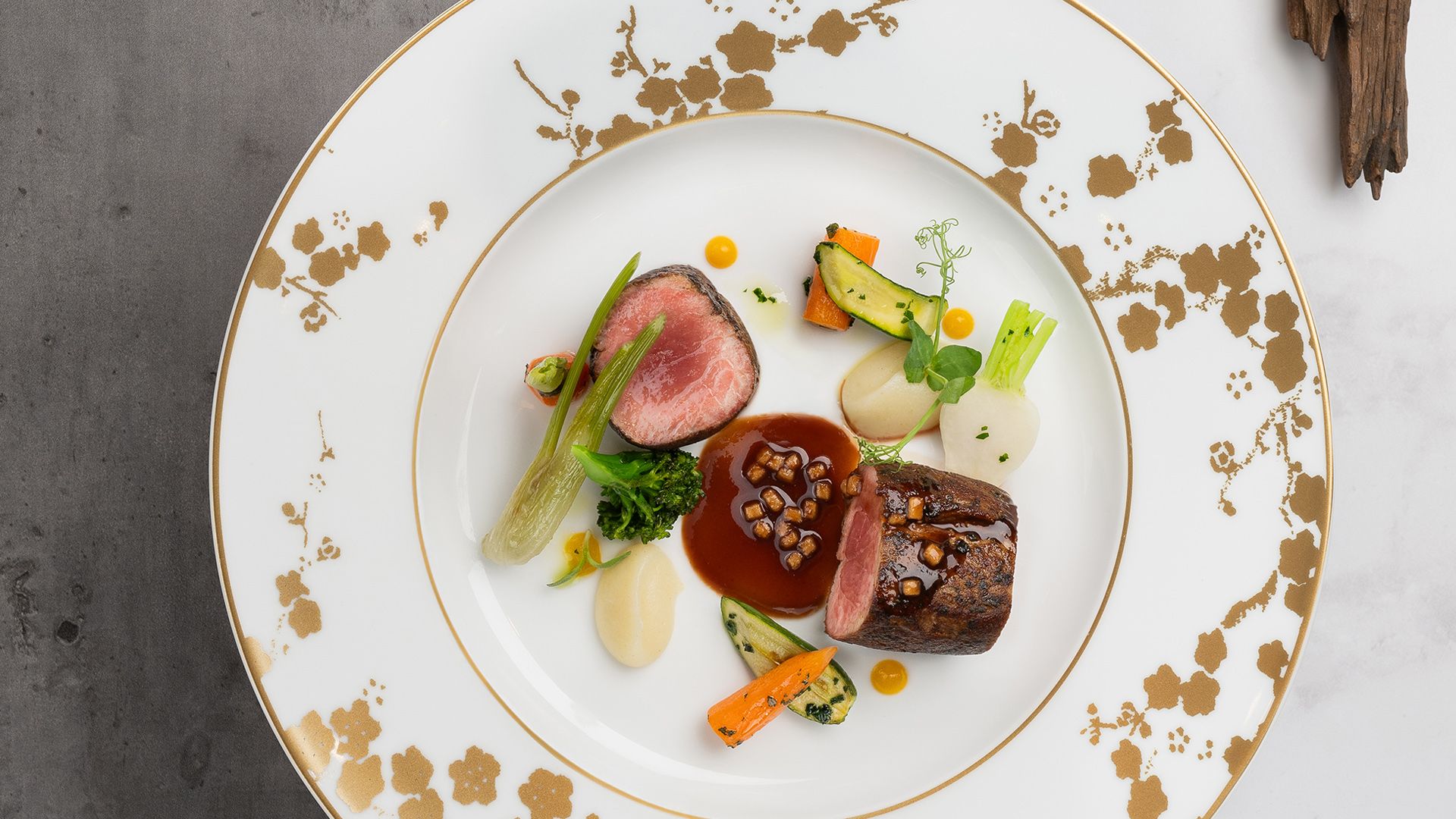
Located in the St Regis Macao, The Manor showcases the best of land and sea ingredients sourced from around the globe. Since becoming The Manor’s executive sous chef in 2020, Dell’Aquila has gained recognition for his slow-cooking techniques and elemental flavourings that allow exceptional ingredients to shine.

Dell’Aquila’s latest menu features a delicious array of gourmet delicacies, including True Born beef from Portugal, Tuscan Zolfini beans, Aquanaria sea bass from the Canary Islands and natural Glenilen yoghurt from Ireland.

“We’re investing more in quality products from all over the world, and we focus on single ingredients to let them be the stars,” says Dell’Aquila.

The Manor’s decor exudes artistry, from the airy, light-filled Verandah to the plush Dining Room adorned with patterned carpets and veined marble, offering a perfect backdrop for Dell’Aquila’s beautifully presented dishes. One such dish is the Mediterranean red mullet served atop a vibrant ochre Riserva San Massimo risotto, a feast for the eyes and palate.

Dell’Aquila continually draws inspiration from Macao’s diverse culinary heritage, especially its Portuguese influences, seen in signature dishes such as Scallop buia do pato ‘Amêijoas à Bulhão Pato’ and Portuguese Recipe Pork loin marinated with herbs, cooked using Dell’Aquila’s signature slow-cooked technique.

According to Dell’Aquila, local cuisine and talent have strengthened in recent years, particularly Macanese cuisine. “Macanese cuisine has a bright future,” he says. “As it earns greater recognition on the global stage, more young locals are choosing to train as chefs, providing an important talent pool for the future of Macao’s food industry.

While Dell’Aquila excels in fine dining, he acknowledges the “vital role” street food plays in Macao’s food scene. “From Italian gelato to steamed-milk pudding, serradura to Portuguese egg tarts, the most popular snacks deliver a gastronomic world tour on the streets of Macao,” he says. “There’s something for every taste here.”

Feng Wei Ju

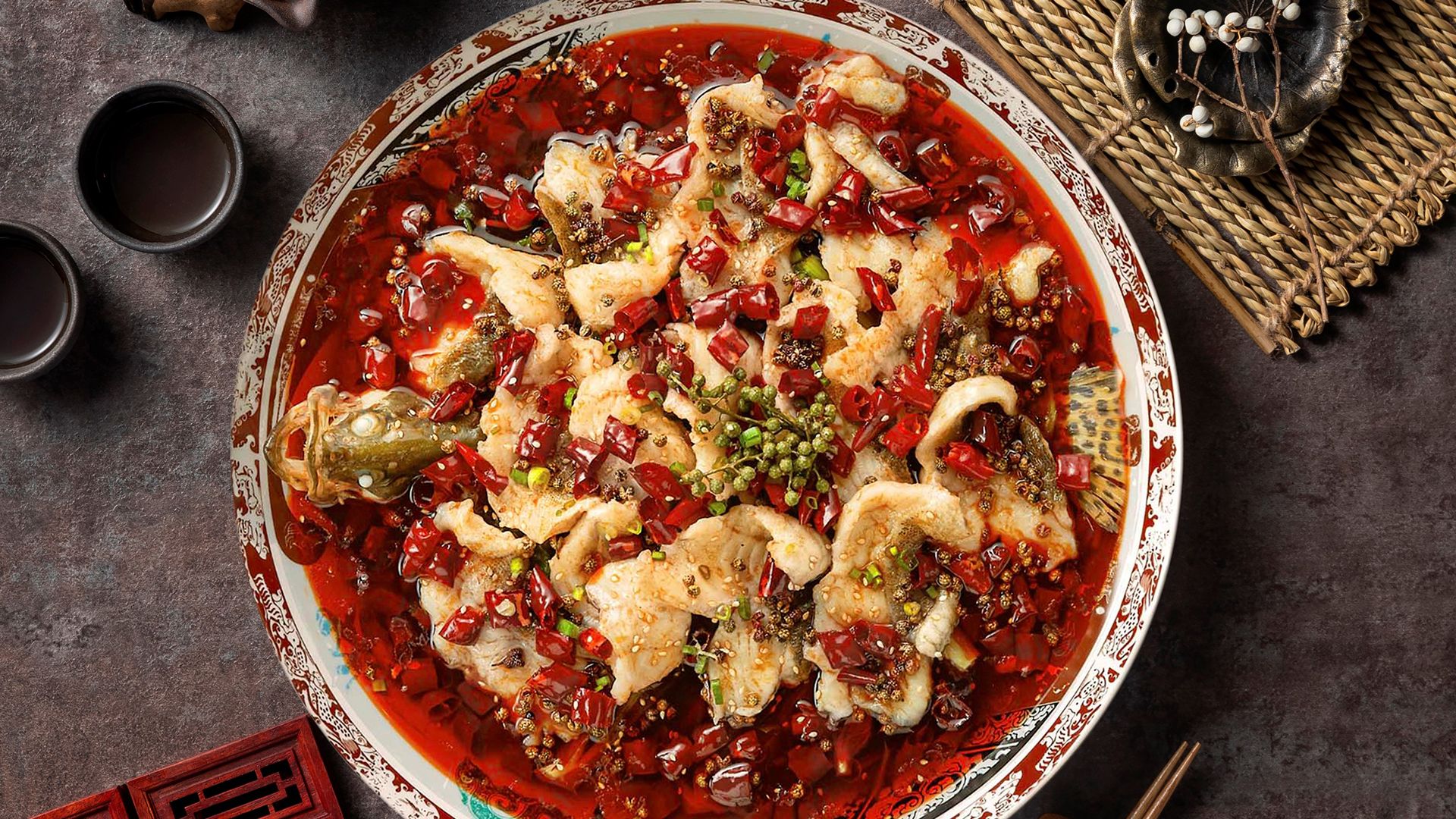
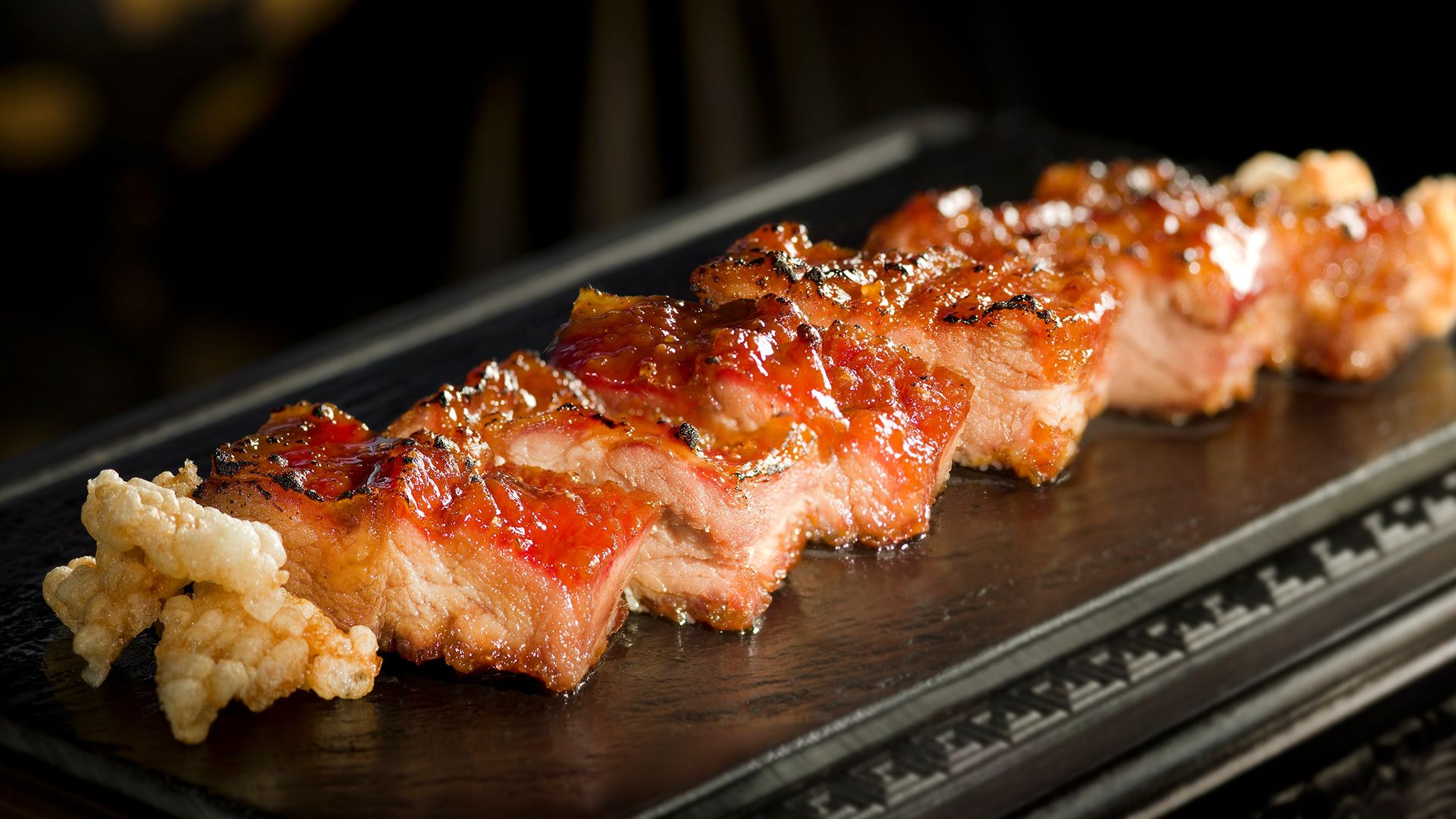
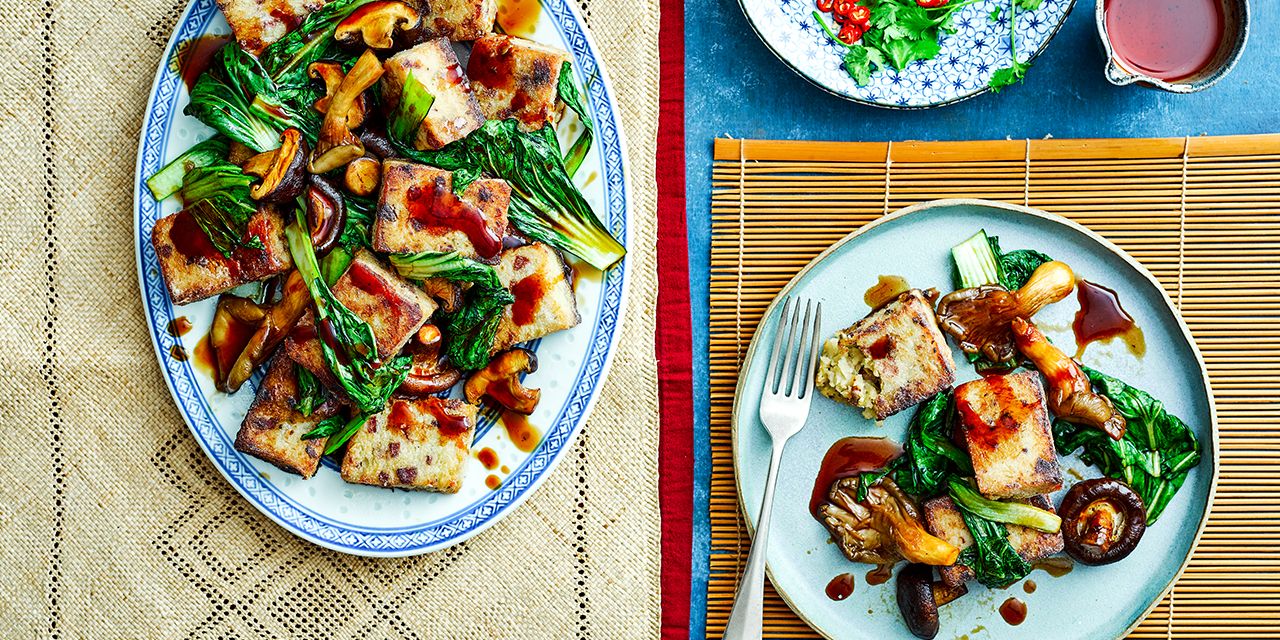
Located in Star World Hotel, the two-Michelin-starred Feng Wei Ju is renowned for its sophisticated Hunan and Sichuan dishes, served in a lavish red and gold dining room. Led by Chef Chen Chek Keong, an industry veteran with more than 25 years of experience, Feng Wei Ju spares no effort in creating iconic dishes such as boiled Mandarin fish fillets in chilli oil, braised pork belly “Mao”-style and northern handmade noodles.

Chen insists on using only fresh peppercorns from Sichuan, which must be deployed within a week to retain maximum fragrance and flavour. He also uses only fresh chicken imported daily from China, despite the additional work and expense.

Feng Wei Ju excels at showcasing flavour and umami from pure ingredients. For example, Chen’s team uses more than 20 Sichuan sauces and spices to create the restaurant’s famed homemade chilli oil, a laborious but rewarding process. “It takes five to six hours to make fresh seafood and chicken broths but it’s worth it for the umami it gives to the dish,” says Chen. The chilli oil, meanwhile, takes 24 hours to prepare, during which a chef must always be present to ensure it cooks at just under 100 degrees, preserving essential flavours.

“This approach results in a dish with a very subtle, warming spiciness, with a long, lasting aroma,” says Chen.

Feng Wei Ju’s dishes not only tantalise the taste buds but also please the eyes. “Presentation has become extremely important,” says Chen, who travels to China regularly for new cooking techniques and plating ideas. “Social media plays a crucial role in promoting your restaurant, and the camera always eats first.” Chen is excited by how this trend, along with the influx of talent into Macao, has expanded diners’ palates. “Chinese food has become more delicate, and diners are now open to trying a greater array of dishes and flavours,” Chen says. “It’s also exciting to apply concepts from other top chefs to constantly innovate in your cooking.”

Lai Heen

Lai Heen, the Michelin-starred restaurant located on the 51st floor of the Ritz-Carlton, Macao, literally takes Cantonese cuisine to new heights.

Here, Chef Jackie Ho Hon Sing, an industry veteran with more than 40 years of experience, combines traditional Cantonese flavours and techniques with global influences.

“My food is highly influenced by Chinese and Portuguese cuisines,” says Ho, “It’s East meets West. Cantonese cuisine heavily relies on seafood, so we use fresh fish, shrimp and crab, alongside other meats such as poultry and pork.” Ho says he also uses spices such as star anise, cloves and cinnamon, which in the past were brought by traders to Macao.

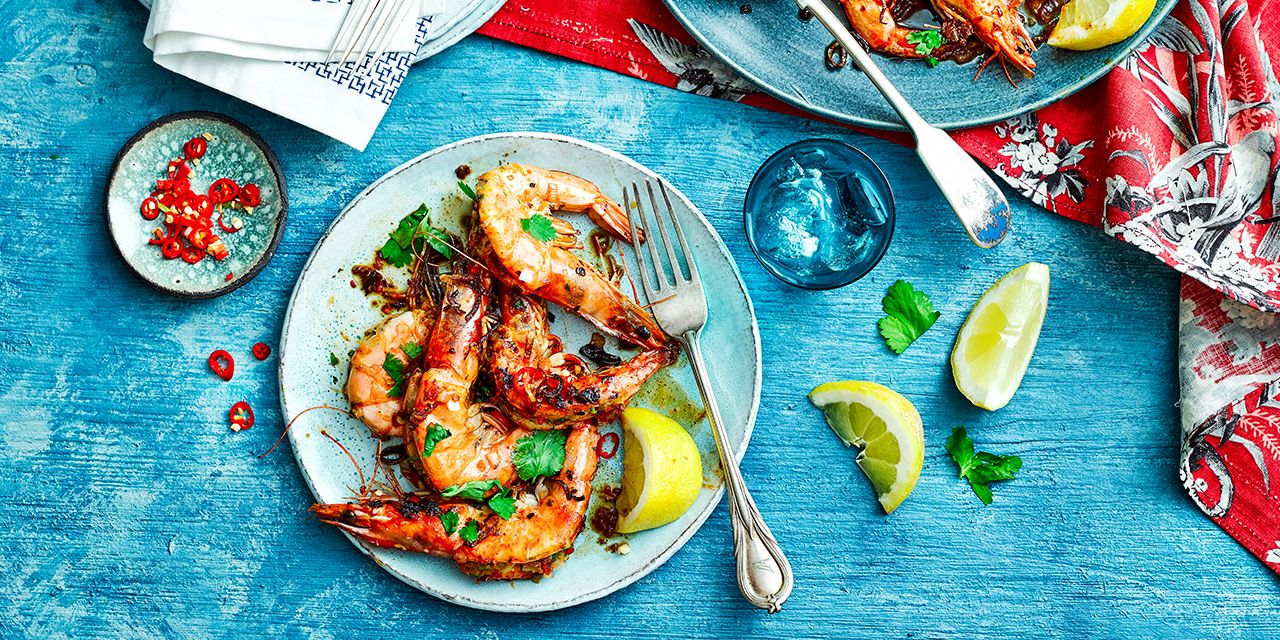
Two dishes exemplify Ho’s culinary philosophy – stewed prawns with port wine sauce in a casserole and deep-fried cod fillet with crispy garlic. For the former, Vietnamese prawns are used for their freshness and crisp texture. Portuguese port wine adds sweetness, creating a fragrant and flavourful sauce that’s amplified when served in a sizzling casserole. The deep-fried cod fillet gets a flavour boost from cinnamon, star anise and cloves, resulting in a crisp exterior and tender interior with each bite.
Ho emphasises that every dish must engage all the senses. “For example, when the prawn dish is brought to the table and the lid removed, it creates a multi-sensory experience of beautiful appearance, fragrance, flavour and even sound,” he says.

Ho has observed significant growth in Macao’s culinary scene over the past decade, attributing it to international chefs bringing new concepts and cuisines. “Macao has become a melting pot where different chefs can learn from each other and do even better,” Ho says.

Dell’Aquila, Chen and Ho all share the belief that Macao is on its way to becoming a globally renowned gourmet dining destination.

“Whether you’re a first-time visitor or know the city like the back of your hand, there’s many famous dishes you can sink your teeth into, literally and figuratively,” says Dell’Aquila. “From Michelin-starred fine-dining restaurants in luxurious integrated resorts to beloved local haunts, an abundance of delicious options can be found across the city.” Chen adds: “Macao is a true capital for food. I believe it’s definitely one of the top must-visit destinations for Asia’s foodies.”

A commercial
production by
BBC StoryWorks
Paid and
Presented by

Get to know Macao

A destination where timeless traditions meet cosmopolitan modernity, Macao’s fascinating blend of Eastern and Western cultures can be traced through its history, art, design and cuisine.