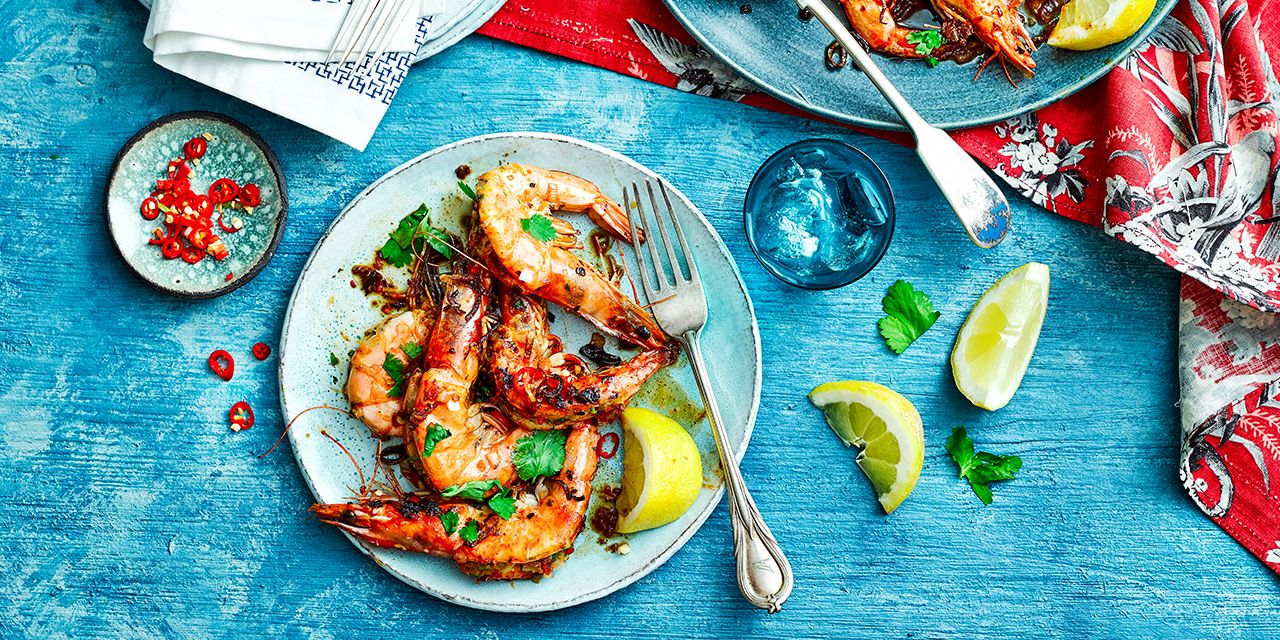
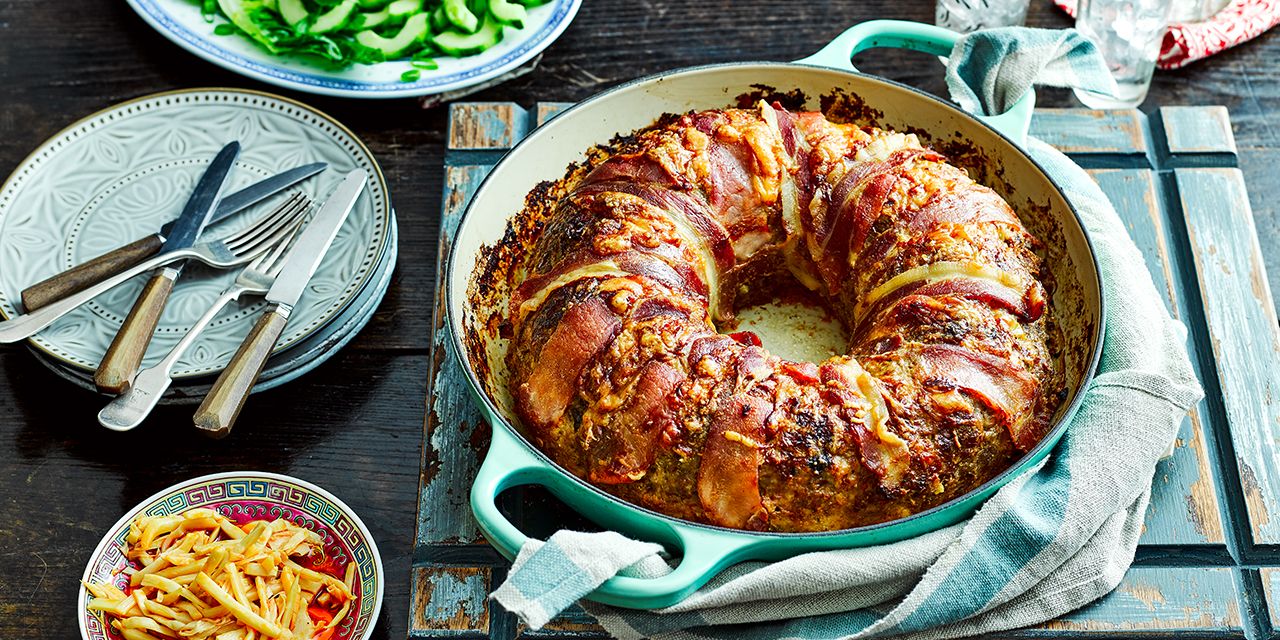
A walking tour of Macanese culinary hotspots provides glimpses of the island’s unique history and cultural.
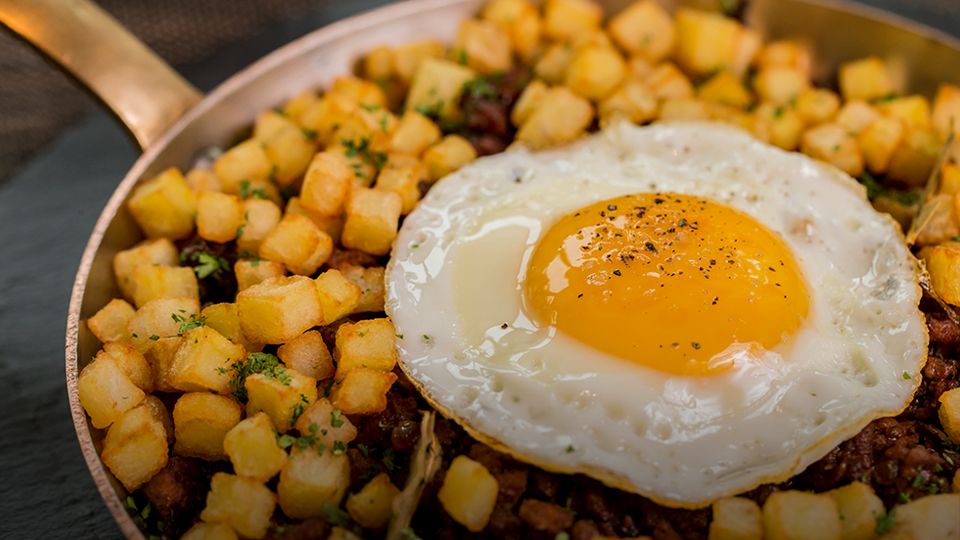
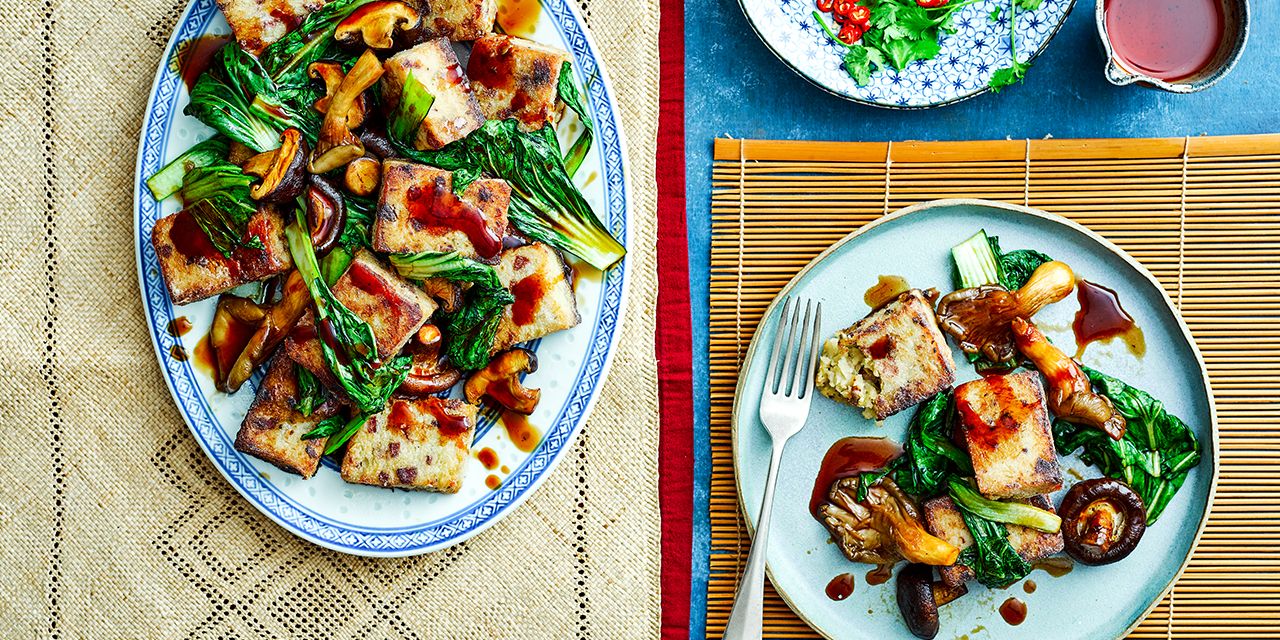
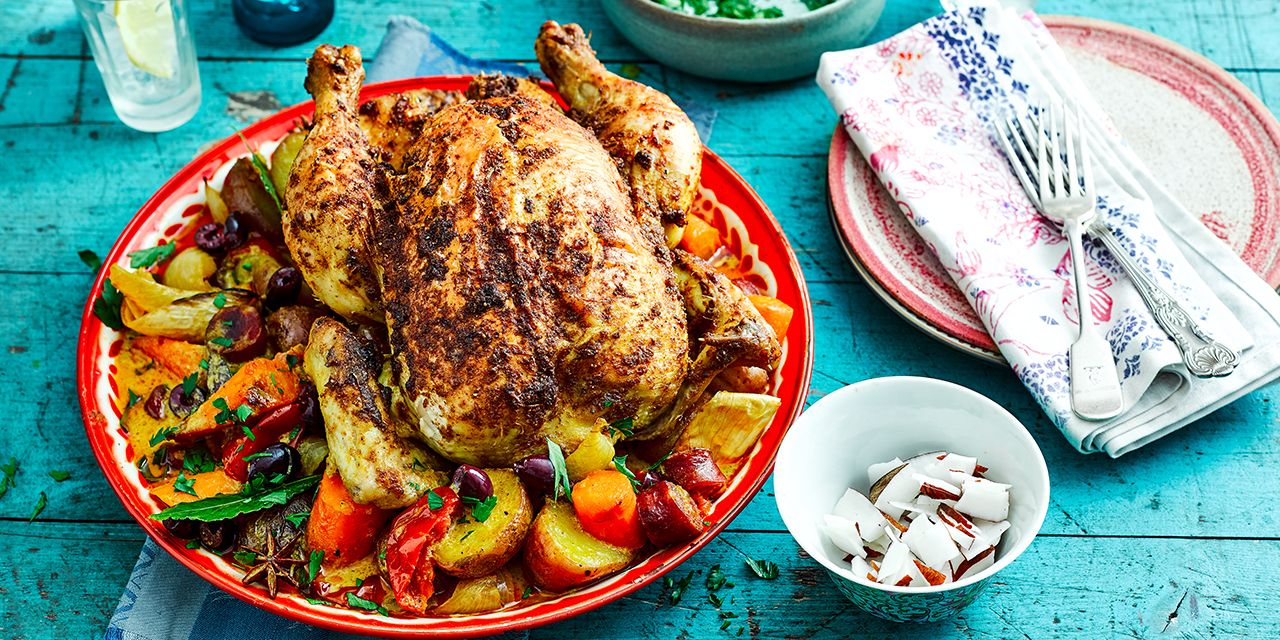
Macao's cuisine is a rare mix of Portuguese and Cantonese dishes, deriving cultural influences from both sides. Macao became a colony of the Portuguese empire back in 1557 when merchants established on-shore trading depots as a base for operations in China. Wives and servants of Portuguese sailors were eager to create a taste of home during the occupation and founded a method using the cooking techniques of their home and Chinese ingredients that were readily available.
Portuguese merchants brought with them staples from their country as well as preserved food and spices from Goa, Mozambique, Brazil and South-east Asia where they also had a colonial presence. The result can still be tasted today as the mouthwatering and fragrant fare that is Macanese cuisine.
Rua do Rebanho
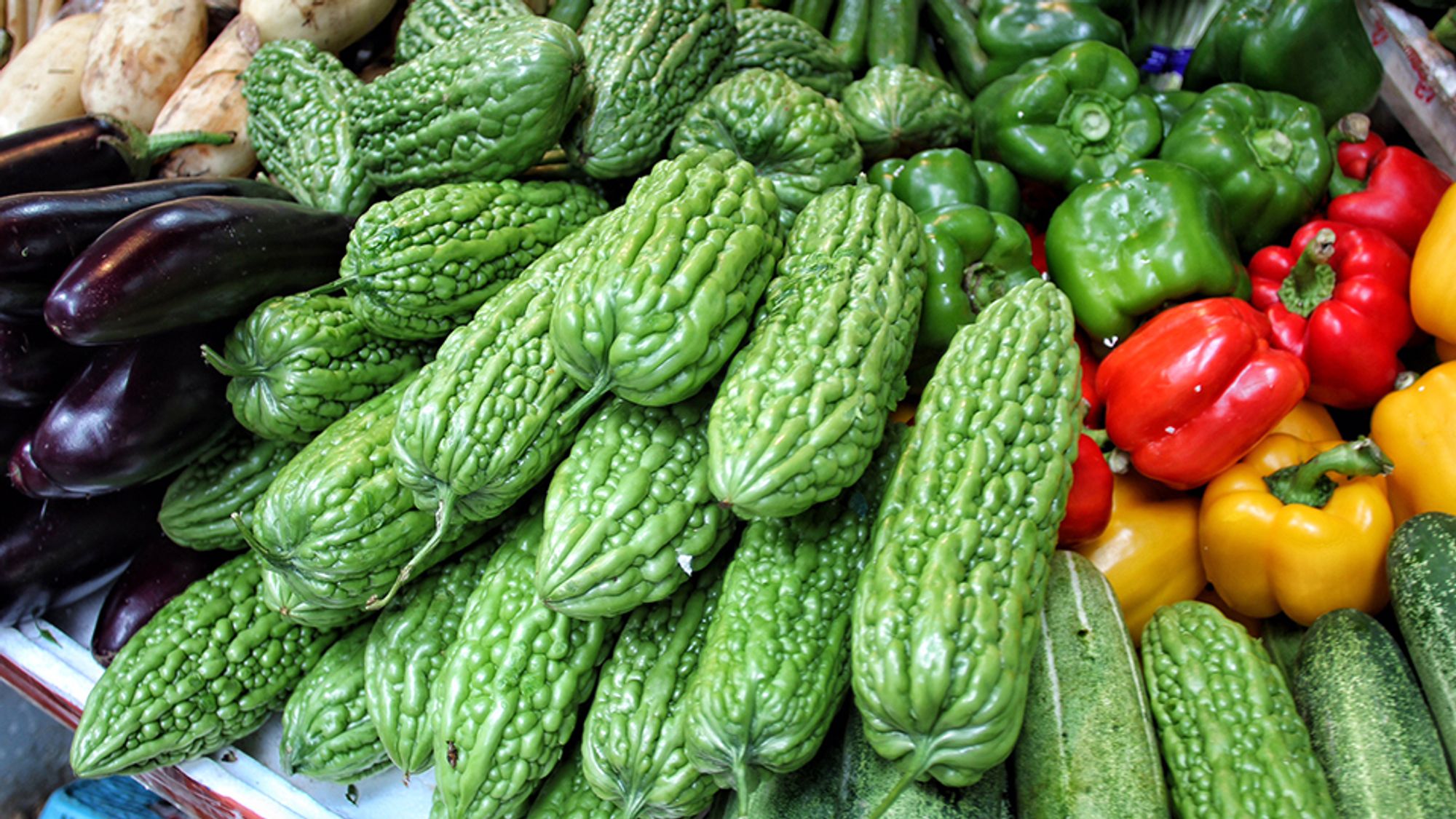
An integral part of the day for locals and chefs of Macao is the bustling market street Rua do Rebanho. Here vendors sell a huge variety of fruit, vegetables and Macanese ingredients, including bitter squash, winter melon, scallions and chilli. Bargaining can be heard from every corner, while shoppers fight to grab the freshest fare. The lively market is chaotic, exciting and addictive, enveloping you in a plethora of fragrance, action and culture.
Each stall holds familiar fruit and vegetables as well as those which would be unfamiliar to someone who has never tasted or cooked Cantonese cuisine. Weaving your way through the stalls gives a sense of an elemental part of life on the island and the passion and support for local produce. It is the ideal spot to discover new flavours for foreign chefs and gain knowledge about what is fresh from Macao.
Roast black pepper duck
After a stroll through the market, stop at Chan Kong Kei, a very popular joint in Macao which has more than 50 years’ experience serving their famous Cantonese-style roast black pepper duck. The humble spot may look simple from its entrance but you'll often spot crowds of locals and tourists flocking to the little shop, dining at crowded tables and joining in the lively and engaging atmosphere.
Their signature duck is juicy and flavourful, perfectly accented by their signature homemade sauce and has a mouthwatering fragrant and crispy skin. Each duck is prepared fresh daily and proudly hung at their window. After ordering at the crowded counter, you are able to watch as they chop and present your cut of choice. Succulent tender pieces are served over rice and always a crowd-pleaser, especially when soaked in the famous sauce. Roast duck is probably one of the most world-renowned Cantonese delicacies, but when done as well as Chan Kong Kei, the diner is in for a true local treat.
Old Macao
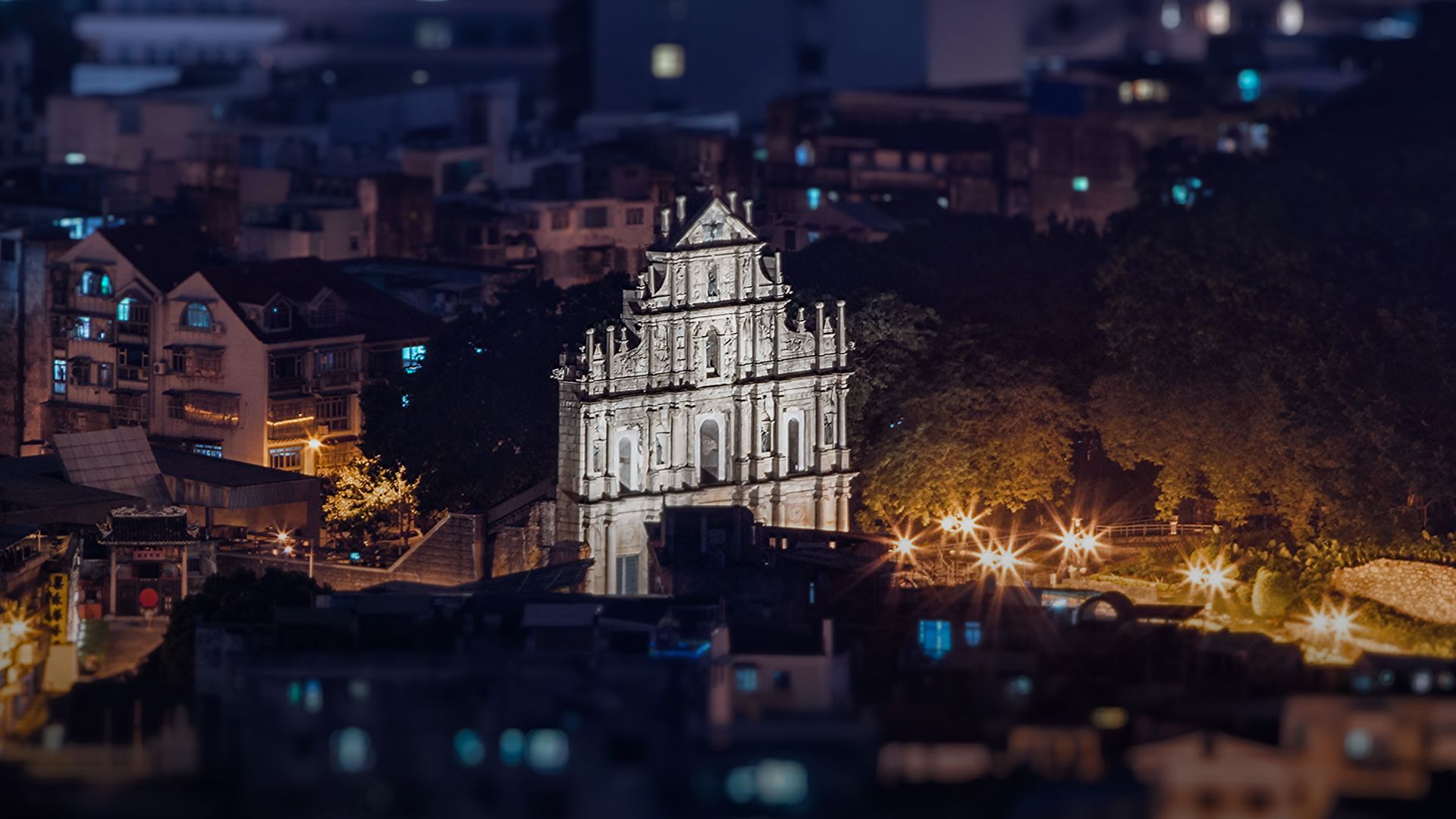
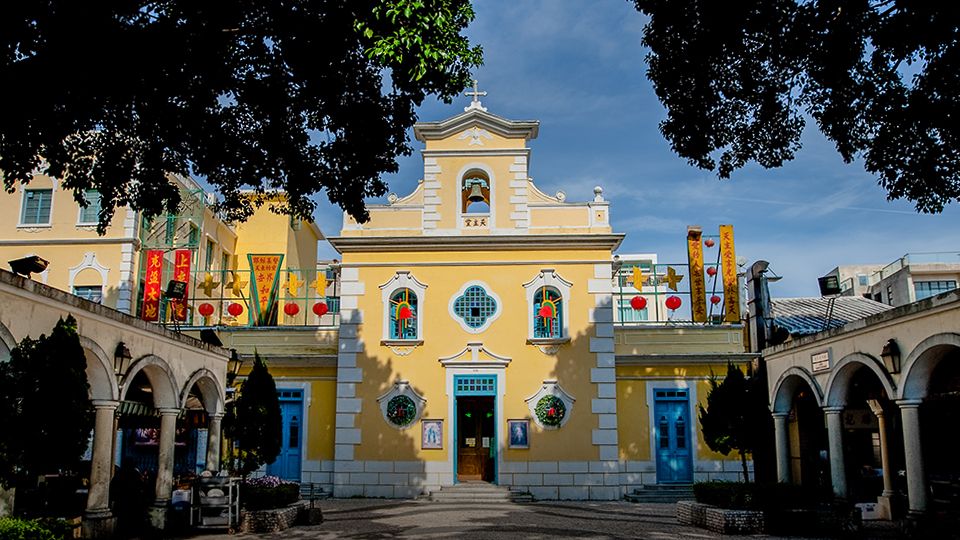
Next to Chan Kong Kei you'll find the old streets of Macao, which are some of the most beautiful aspects of the city. Juxtaposed from the modern resorts, you can wander through the historical architecture and step right into a piece of the past. The fusion of Portuguese and Chinese influences is evident through the distinct East meets West architecture. Visit European-style churches and cluttered streetscapes with Chinese shutters and lettering adorning Portuguese buildings. Soak in the bursts of colour and culture, see how aspects of the city's political past have left its interesting mark on the island.
Shops selling the city's famous almond cookies are present throughout and are the perfect sweet treat while exploring. A simple mix of sugar, flour and almonds gives them a gritty texture and nutty flavour and they are then pressed into cookie shapes with Chinese characters.
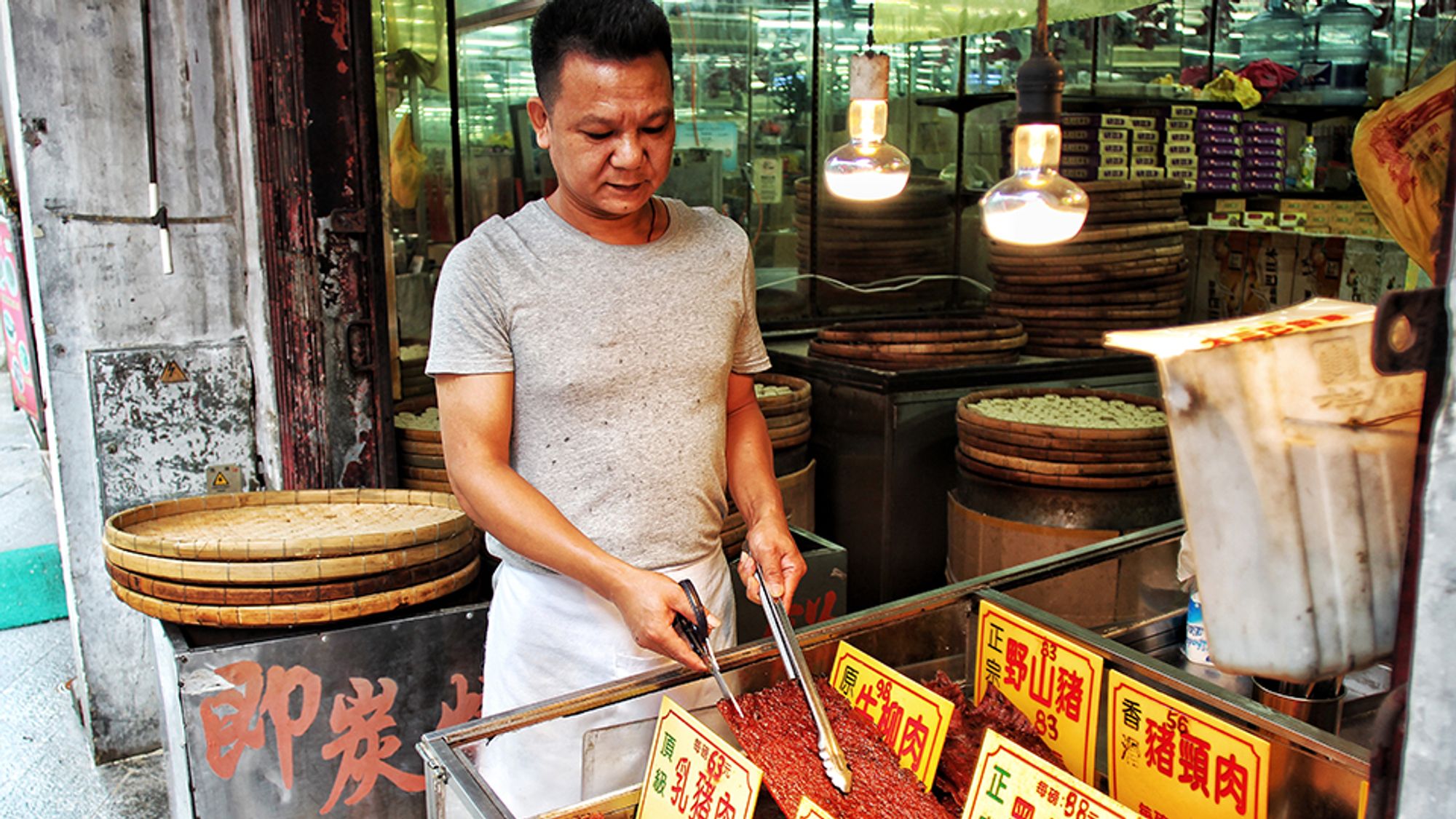
There are a huge variety of vendors dotted along the narrow paths. A local favourite is pork jerky which is displayed in large square sheets. Using scissors vendors will cut off small pieces for you to sample with flavours varying from sweet to spicy. The jerky or “bakkwa” in Macao is made with a meat preparation and preservation technique originating from China using various spices, sugar, salt and soy sauce while dried on racks giving it a distinctive salty-sweet flavour. Grab a few snacks, chat with the vendors and experience a piece of Macao's distinct, international character.
Lord Stow’s Bakery
If you have a sweet tooth, head to Lord Stow’s Bakery to sample Macao’s undisputed champion of the pastry snack world – the famous egg tart. Englishman Andrew Stow set up shop here in 1989 and, inspired by the Portuguese pasteis de nata, he created this delicate sweet treat. The bakery, now run by his sister and daughter, sells these tarts by the bucketload. You'll also find a host of cheesecakes in all sorts of creative flavours, such as black sesame and green tea.
 Lord Stow’s Bakery
Senado Square
End by taking in the sights surrounding Senado Square. The landmark is a stark reminder of Portugal's influence in Macao with a vast majority of European-styled buildings and protected monuments. Browse through the many shops offering local food and snacks alongside modern chain stores and coffee shops. The stunning fountain is a perfect opportunity showing off the area's unique aesthetic and colourful beauty.
It's often easy to miss out on Macao's history when staying within luxury resorts or dining at the city's fine dining establishments, but while wandering the old quarters you’ll see a different side of the island. A place which shows the vibrancy that can come from remembering and respecting its past, where Western flavours mingle with Chinese to create mouthwatering cuisine, and European architecture house the interesting day-to-day life of Macanese locals.