Home to a vibrant fusion of cultures and cuisines born from over 450 years of trading history, Macao offers a culinary experience unlike any other.
In recent years, Macao has emerged as a global gastronomic destination, with an influx of new five-star hotels and has attracted globally renowned chefs including Alain Ducasse and Gordon Ramsay, who have opened celebrated restaurants in the city. This has catapulted Macao's dining scene to new heights. In 2017, it was named a Unesco Creative City of Gastronomy, an accolade which recognised the rich diversity of its culinary landscape which spans traditional Macanese street food favourites to Michelin-starred, international fine-dining. In June 2024, Macao hosted the International Cities of Gastronomy Fest, where it showcased its distinctive food culture alongside multiple Unesco Creative Cities of Gastronomy worldwide.

Macao's culinary diversity is epitomised by Macanese cuisine, a creative blend of African, Indian, South East Asian, Chinese – particularly Cantonese – and Portuguese influences. Recognised by Unesco as the world's first fusion cuisine, Macanese food speaks to the region's expansive cultural influences, many of which have been shaped by Macao's position as a trading entrepot. It does this by harmoniously combining spices, techniques and ingredients from both East and West, like the region's freshest seafood and far-flung aromatics such as Mediterranean bay leaves and South American chilli peppers.
With Macao's fast-growing popularity as a dining destination, it's the perfect time to immerse yourself in Macanese cuisine, where every dish celebrates a flavourful exchange of cultures.
Iconic Macanese foods
Many visitors to Macao are familiar with its famed egg tarts inspired by Portuguese pasteis de nata, but there's much more to discover when it comes to Macanese food, which is as diverse as it is delicious.
Florita Morais Alves, chef de cuisine of popular Macanese restaurant La Famiglia grew up eating a variety of Macanese snacks and dishes like arroz gordo, diabo, pan fried prawns stuffed with garlic and coriander and minchi, which is widely considered Macao's national dish. Sometimes served with a fried egg on top, minchi typically features stir-fried minced pork or beef with onions and potato cubes flavoured with soy sauce, Worcestershire sauce and kecap manis (sweetened soy sauce). Alves is also fond of tacho, a complex, time-consuming dish inspired by the Portuguese dish cozido a Portuguesa, which combines meats and vegetables simmered for up to several days.
Another iconic dish is porco balichao tamarindo, or pork cooked with jaggery, balichao (a type of shrimp paste often made with krill) and tamarind. Annabel Jackson, an author and expert on Macanese cuisine, says the dish is very Southeast Asian and has an irresistible aroma when the balichao is being cooked. "It's thick, dark, rich and delicious," says Jackson, who also highlights chilicotes – little deep-fried pastries stuffed with curry-scented pork or beef, and which originated from the traditional Portuguese fried shrimp dumplings rissois de camarao.
Tam Wai Kuen, chef de cuisine at acclaimed Portuguese restaurant Guincho a Galera at Hotel Lisboa Macau, says Portuguese bean and pork stew is one of his favourite Macanese dishes, as it reminds him of the various versions of Chinese-style stewed pork trotters or knuckles which can be prepared with soy sauce, fermented red bean curd, oyster sauce or preserved plums.
A unique cuisine
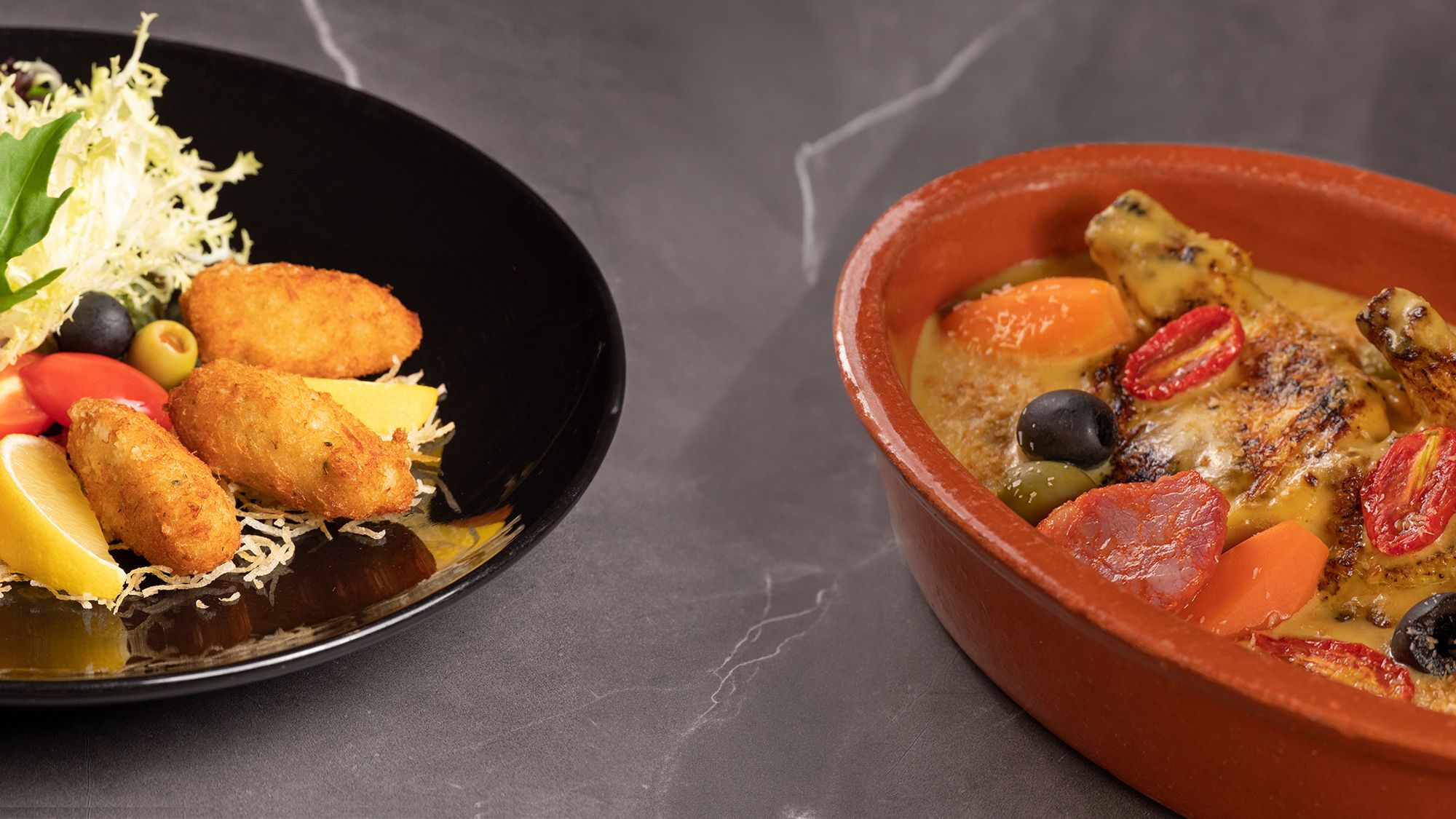
Like the city's famous Portuguese chicken – an indulgent creamy baked chicken curry with potatoes, preserved black olives and coconut milk that cannot be found in Portugal itself – Macanese cuisine has evolved with its own distinct, delicious identity.

According to Jackson, while Macanese cooking incorporates Portuguese ingredients such as olive oil, bacalhau (dried, salted cod) and olives, what makes it so distinctive is its use of Southeast Asian ingredients like turmeric, chilli and tamarind. It also has its own unique fish sauce – balichao – which is related to belachan and Thailand's fish sauces. "There are strong links with the dishes of Goa and the Kristang cooking of Malacca; some dishes are almost identical," she adds.
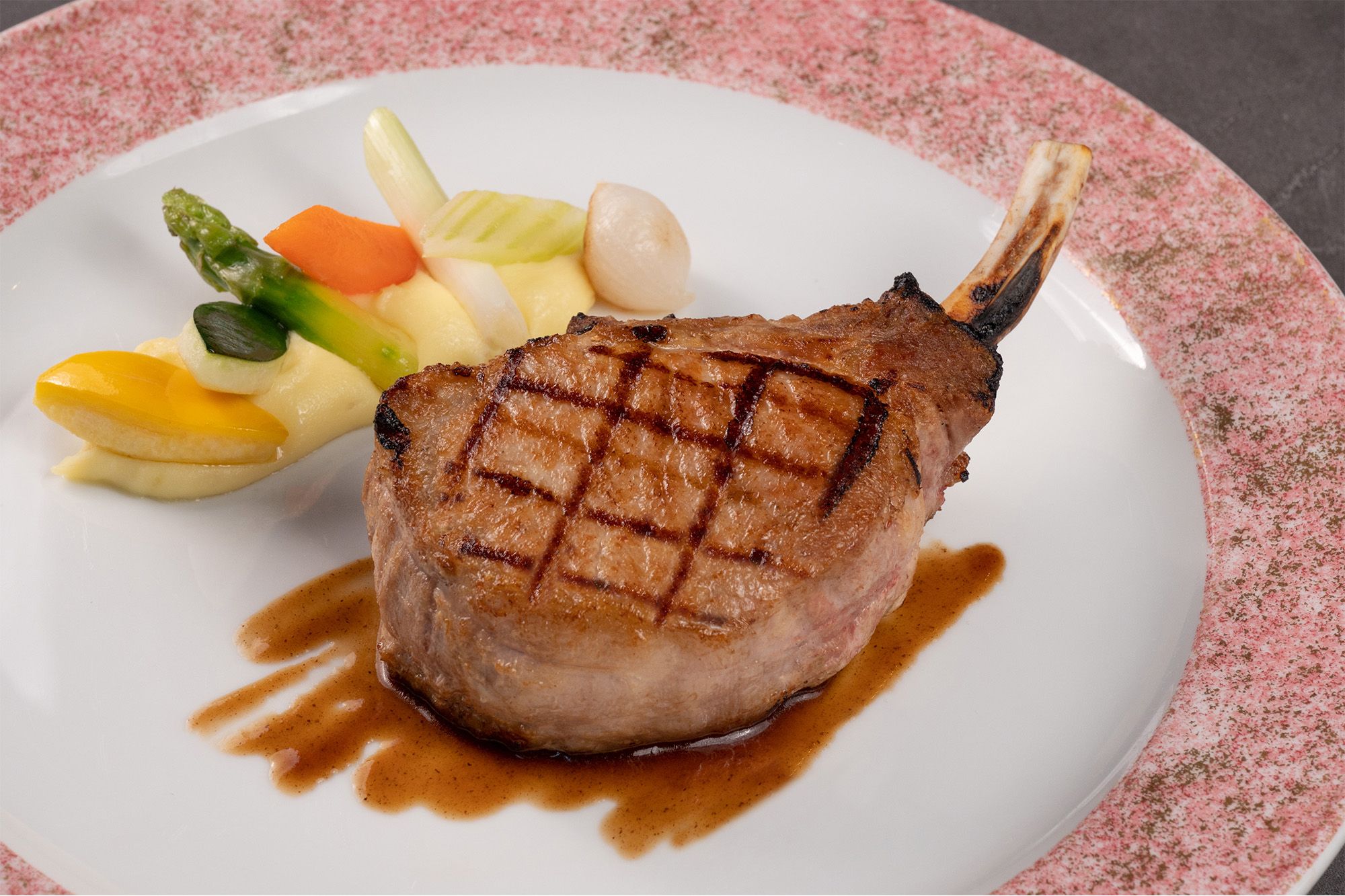
Excitingly, inspiration and innovation is a two-way street when it comes to Macanese cuisine, as Tam has found at Guincho a Galera. Here, he gives local Macanese dishes his own unique twist, such as serving Portuguese chicken with steamed coconut rice, which he says enhances its flavour. He also reinvents minchi as a Greek Moussaka, creating layers of eggplant stuffed with minced US beef tenderloin or roasted New Zealand lamb. Finally, Tam elevates the locally beloved pork chop bun, sourcing high-quality, bone-in Spanish Iberico pork chop, pan-searing it and serving it with a classic black pepper sauce or seasonal sauce made from morel mushrooms. "It's become one of our signature dishes," he says.