The fascinating lives of the women buried in the Necropolis, Glasgow’s beautiful Victorian cemetery
31 July 2017
In the heart of Glasgow, surrounded on three sides by a motorway, a major hospital and a large brewery, sits a picturesque burial ground.
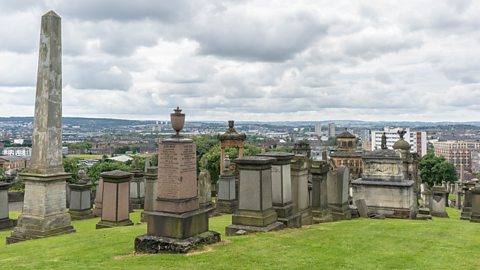
The City of the Dead
A look at the history of the Glasgow Necropolis.
Glasgow Women’s Library, assisted by Friends of Glasgow Necropolis, created a guided walking tour of women’s graves in the Necropolis, highlighting the stories of women like Marion Gilchrist, Agnes Strang and Corlinda Lee.
The medical pioneer
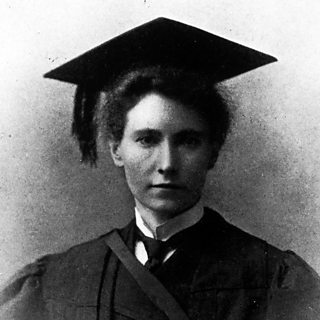
Despite leaving full-time education at 13, Marion Gilchrist became the first woman to graduate in medicine from the University of Glasgow in 1894.
She continued to pursue an education after leaving school to work on her family’s farm in South Lanarkshire.
In 1892 she was one of nine women to enroll in the newly-opened Medical School at Queen Margaret College, the facility which was used by female students in Glasgow until 1935.
After qualifying she became a general practioner, specialising in the treatment of eye diseases, before going on to become ophthalmic surgeon.
She was also active in the campaign for women’s voting rights through membership of militant suffrage organisations like the Women’s Social and Political Union and the Women’s Freedom League.
The gypsy queen
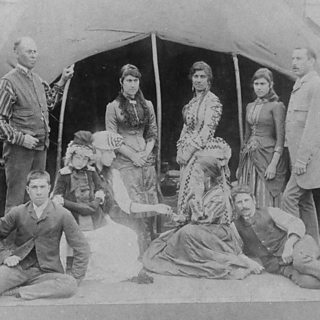
Corlinda Lee’s grave describes her as Queen of the Gypsies.
The term derived from her marriage to horse trainer George Smith.
Both came from well-known gypsy families; together they became known as the king and queen of gypsies.
George has been credited with the idea of hosting ‘gypsy balls’, where the public could pay a small fee to enter an encampments in order to see gypsy life at first-hand.
Corlinda was supposed to have read the fortune of Queen Victoria at one of these events in Knockenhair Park in Dunbar on August 1878 and Queen Victoria did indeed write about seeing gypsies in her diary.
Radio 4’s Clare Balding took a ramble around the Necropolis and heard from Christine Reid from Glasgow Women’s Library about the life of Corlinda Lee and attitudes towards gypsies.
The tragedy in childbirth
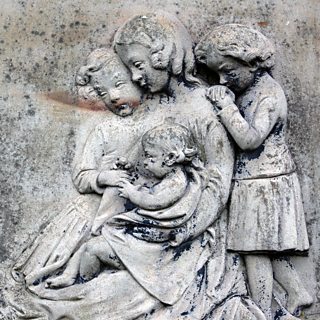
Historian Diana Burns became fascinated by a gravestone which stood a few metres away from the most famous structure in the Necropolis, the monument to Reformation preacher John Knox.
It contained no dedication beyond an image of four children and the words ‘beloved mother’.
Through painstaking detective work at the Mitchell Library Burns was able to work out that this was probably the grave of Agnes Strang, a woman who died in childbirth in the winter of 1849.
At this time in British history, it is estimated that nearly 600 women would die for every 100,000 births.
That number began to fall dramatically in the late 19th Century due to improvements in scientific understanding, including around hygiene.
By 2015, maternal mortality rate in the UK was occurring at a rate of 9 women per 100,000 births.
Latest features from BBC Scotland
-
![]()
'Wild swimming helps me process the grief of losing my son'
The benefits of cold water therapy.
-
![]()
Winter adventures are appealing, but an expert advises caution
Trips in winter require particular knowledge and skills.
-
![]()
The rescuers: Why volunteers risk their lives in mountain emergencies
Landward meets members of the Cairngorm Mountain Rescue Team.
-
![]()
‘Look for the light’ – practical tips to help you through another winter with SAD
Useful advice and tips to combat low moods at this time of year.
-
![]()
How you could be a binge drinker without even knowing
Binge drinking is classed as fewer units than many people may realise.
-
![]()
How chocolate biscuits and drama classes helped one man leave prison behind
The healing power of creativity.
-
![]()
'When people believe in you, it’s life-changing'
Author Graeme Armstrong revisits the man who helped turn his life around.
-
![]()
The 'breath-taking' display of US birds swept on to British soil
Recent storms have brought rare birds to our shores.
-
![]()
Six things we learned about Alan Cumming on Take the Floor (Spoiler: includes accordions)
The actor spoke to Take the Floor's Gary Innes.
-
![]()
How street gangs trap young men in a dangerous cycle of violence
The almost inescapable pull of life in a gang.
-
![]()
Why stylist Gok Wan believes there's no such thing as bad fashion
The fashion expert says we should stop following rules and do what feels right.
-
![]()
Is sending a CV still the right way to apply for a job?
They've been central to job applications for years, but are they worth it?